
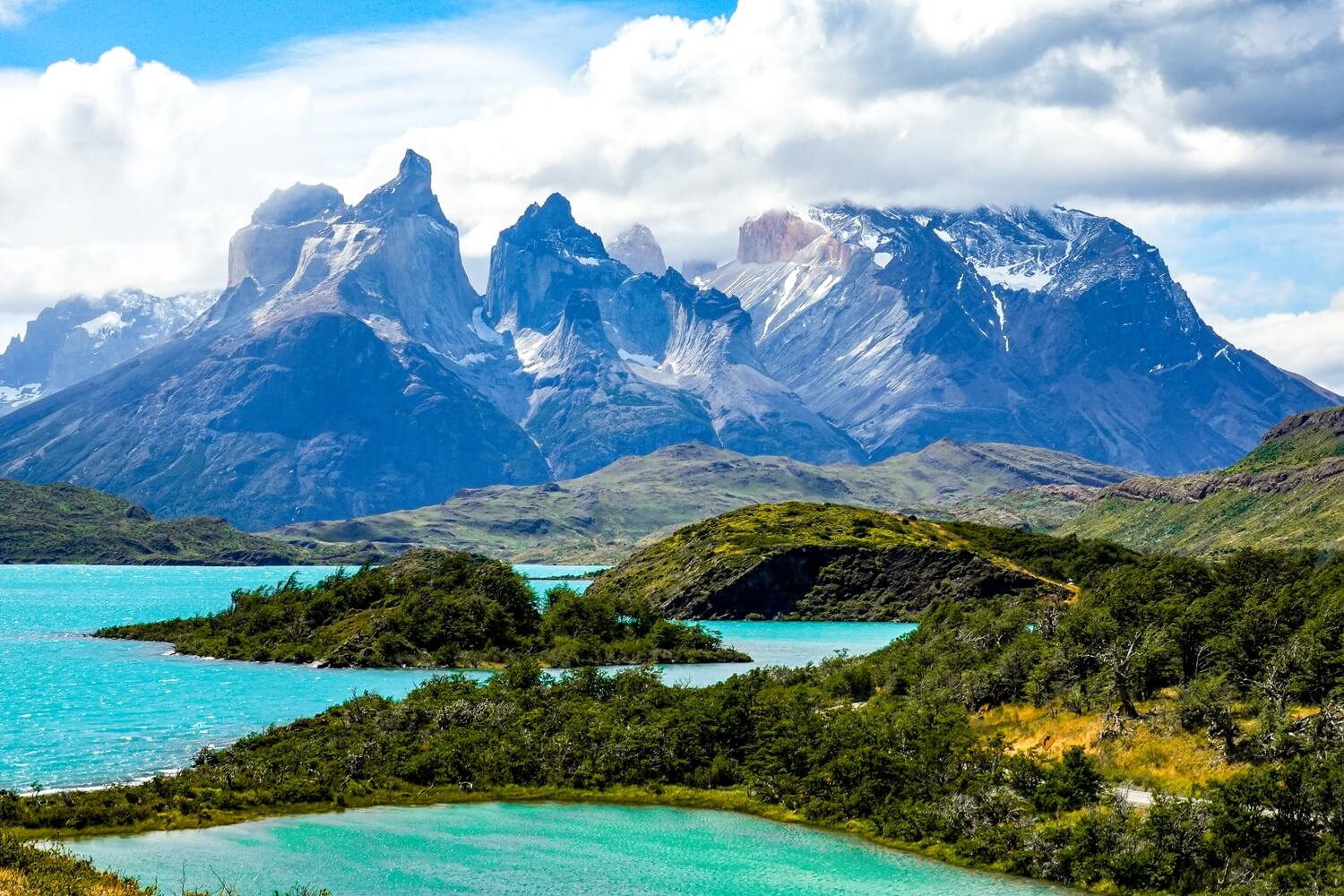
How to Plan a Trip to Torres del Paine in Chilean Patagonia

Lying between the Andes Mountains and the Patagonian Steppe in southern Chile, Torres del Paine is one of the most scenic places in Patagonia, with an abundance of impressive mountain peaks, glaciers, waterfalls, rivers, lakes and lagoons.
Planning a trip to Torres del Paine can be a bit daunting at first, so we’ve put together this guide to make it easy for you. We’ve split the planning process into different categories, such as how to get there, where to stay, how long to stay for, the best time to visit, entry fees and more. It’s best to read this guide together with our more detailed ‘things to do in the national park’ post, as well as our comprehensive ‘list of accommodations’ guide. We hope that together these guides will provide a great aid for planning your own unforgettable trip to Torres del Paine National Park.
If you’d like to see what we got up to in the national park, make sure to watch our Torres del Paine video, which we shared on our YouTube channel Kitti and Jon. For more videos from the country, check out our Chile playlist.
Disclosure: This post may contain affiliate links, which means we may receive a small commission if you click a link and purchase something. Clicking these links won’t cost you anything, but it will help us to keep this site up and running! Learn more about our affiliate policy.

Where is Torres del Paine National Park?
Torres del Paine National Park is located in southern Chilean Patagonia. It borders Bernardo O’Higgins National Park to the west and the Los Glaciares National Park to the north, which is in Argentine Patagonia.
Torres del Paine was established as a national park in 1959. Initially, it was named Grey Lake Tourism National Park after Lake Grey and Glacier Grey, one of the most impressive glaciers in the park, similar to Perito Moreno Glacier in Argentina. They renamed it to its current name in 1970. In 1978, Torres del Paine also became a UNESCO World Biosphere Reserve.
It covers an area of 240,000 hectares, making it one of the largest national parks in the country. The national park also incorporates part of the Southern Patagonian Ice Field, the southern hemisphere’s largest expanse of ice outside of Antarctica.

How to Get to Torres del Paine in Chilean Patagonia
Torres del Paine National Park is located about 112 km (70 mi) north of Puerto Natales and 312 km (194 mi) north of Punta Arenas. Both cities can be reached by plane or by taking a long-haul bus.
Our Tip. Since Puerto Natales is much closer to Torres del Paine, we suggest aiming to get there instead of Punta Arenas.
Travelling to Puerto Natales from Santiago
The fastest way to reach Puerto Natales after spending a few days in Santiago is to fly. The city is served by Puerto Natales Teniente Julio Gallardo Airport (PNT) and you can take a direct flight there. There are also domestic flights from Puerto Montt, the gateway city to the Lake District of Chile. The main airline offering direct flights from Santiago is LATAM Airlines and from Puerto Montt it’s Sky Airline.
If the flight times don’t work for you, then consider flying to Punta Arenas, then taking a bus to Puerto Natales. Bus-Sur offers frequent daily services between the two cities and the journey is only about 3 hours.
Find Flights to Puerto Natales✈️

Travelling to Puerto Natales from El Calafate in Argentina
An international route to consider doing on the bus is from El Calafate in Argentina. This is a popular way to cross the border after visiting Los Glaciares National Park. The bus journey time is only around 6 hours, and you avoid having to fly back and forth to the capital cities. Make sure to secure your bus ticket early in the high season.

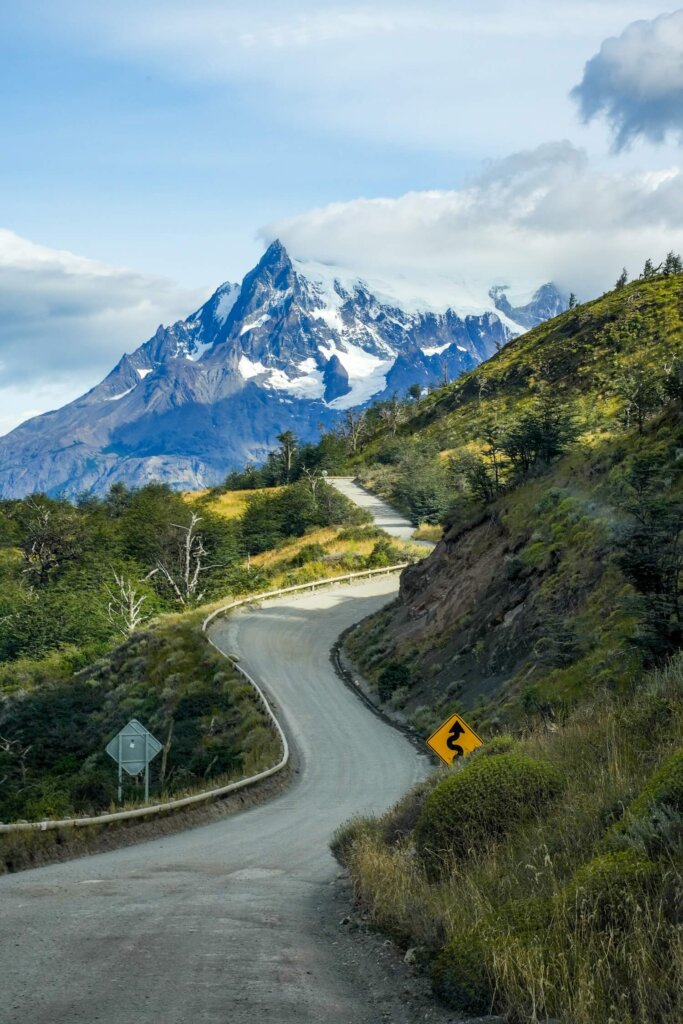
How to Get to and Get Around Torres del Paine
1. Hire Car
If you’re based in Puerto Natales and want visit the park independently, then we suggest renting a car. From Puerto Natales, both the Amarga Ranger Station (East Entrance) and the Serrano Entrance (South) are about a 1.5- 2 hour drive away.
It’s worth noting that the closest petrol station is in Puerto Natales. So, if you want to stay inside the park and have a hire car, you may be limited to how much you can drive around. To be on the safe side, you can ask the rental company for an extra canister and fill it up in Puerto Natales to avoid running out.
Rent a Car in Puerto Natales
Hire your car using Discover Cars where you can find the best rates as they compare local, national and international companies.
2. Public Bus
If you’re staying within Torres del Paine, are wanting to do the W-Trek or O-Circuit, or just want to save some money on hiring a car, then you can also get to the park by bus. There are bus companies, like Bus-Sur, that run services between Puerto Natales and various points within the national park. Buses depart from Rodoviario Puerto Natales.
We suggest securing an early-departure ticket online in the high season, especially if you want to do some day hikes. The bus journey time is around 2 hours.

3. Organised Tour
If you’re staying in Puerto Natales, the easiest way to get to the park is with an organised tour. There are a variety of tours you can book depending on whether you wish to hike, enjoy more of a sightseeing tour or go on a wildlife excursion. In case you’re staying at one of the hotels inside the park, they often offer their own excursions, so you don’t have to rely on a hire car or bus.
Best Organised Tours in Torres Del Paine
🥾Mirador las Torres Base guided hike. This is a great small group hiking tour departing from Puerto Natales. You’ll complete the most popular hiking trail in the park, Mirador las Torres Base, accompanied by a guide.
🏔️Torres del Paine full day tour. Departing from Puerto Natales, you’ll be embarking on more of a sightseeing tour of Torres del Paine. You’ll stop at many scenic locations, such as Pehoe Lake, Grey Lake and Cuernos Viewpoint, as well as getting the chance to visit the Mylodon Cave Natural Monument. This is probably the best way to see a lot of Torres del Paine in just one day.
📸Torres del Paine Photo Safari Tour. If you want to do a bit of wildlife spotting as well as landscape photography, this is a great tour departing from Puerto Natales. In the morning, you’ll focus on the eastern side of the park and its wildlife. In the afternoon, you’ll be touring around other areas of the park enjoying its lakes, mountains and glaciers.
🐱Puma Watching Tour. Unless you get lucky enough to spot a puma during your visit, the best way to enhance your chances of seeing pumas in the wild is if you do a dedicated excursion. They will pick you up at the crack of dawn to take advantage of the time when the wildlife is most active and you’ll be accompanied by an experienced wildlife guide.
🐴Horseback riding experience. Why not saddle up and see the stunning Patagonian landscape on a horseback ride. This tour offers a half-day and full-day option.
Top Torres del Paine Experiences
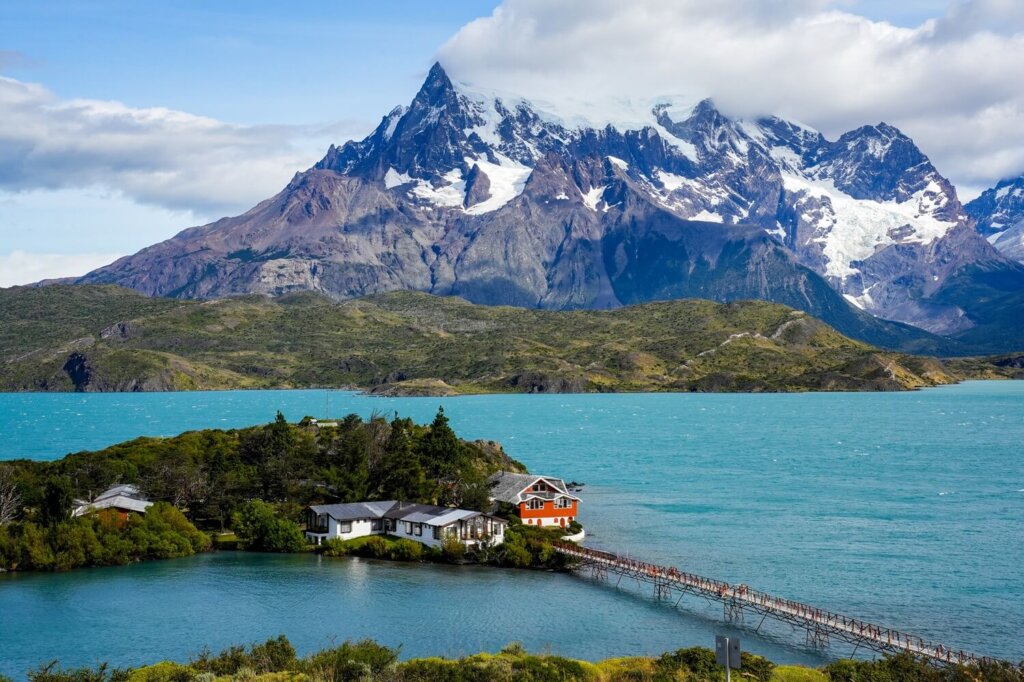
Best Areas to Stay Around Torres del Paine National Park
The best area to stay around Torres del Paine will depend on whether you wish to hike the W-Trek or O-Circuit or not, your budget and how you plan to get around the national park. There are a few areas to choose from where most of the accommodations are concentrated:
- Inside Torres del Paine National Park. There are a limited variety of accommodations within the boundary of the park. Most hotels are located either along Lago Pehoe, Lago Grey or around the Welcome Centre close to the Mirador las Torres Base hike. Then, there are campsites and refuges dotted along the W Trek and O Circuit routes, typically booked by those completing either of these treks.
- Just Outside Torres del Paine National Park. There are a high concentration of hotels located at the southern entrance to the park, along the Serrano River. You can also find a couple of accommodation options near the eastern entrance and in Cerro Castillo, the Chilean-Argentine border town.
- Puerto Natales. The city is located about 83 km south of the Serrano River Entrance (South) and 115 km to the south of the Amarga Entrance (East). Here, you’ll find a large variety of accommodation options as well as amenities, although it’s a decent drive or bus journey into the park from here.
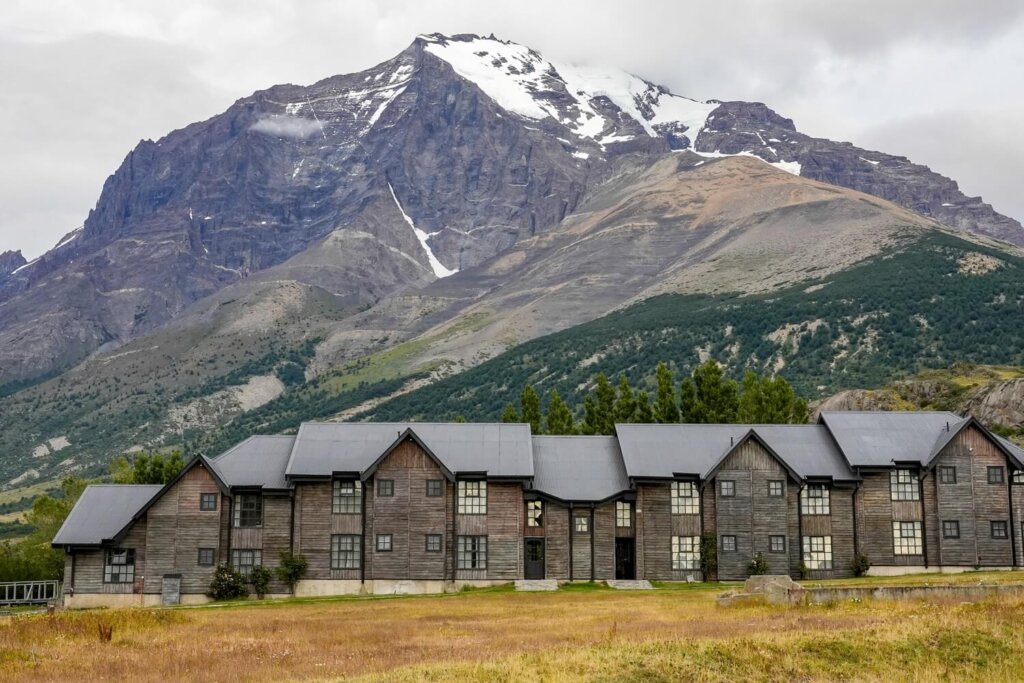
Best Hotels Inside Torres Del Paine National Park
Booking a hotel inside Torres del Paine is a great option if you’re only here for a few days or want to treat yourself after the multi-day trek. Note that staying inside the park comes with a higher price-tag and you’ll need to book a spot as early as possible. Below are our top picks, however we’ve shared the full list of hotels in Torres del Paine in this dedicated guide.
🛏️Explora Patagonia ($$$). Located along the shores of Lake Pehoe, this hotel offers all-inclusive packages for a minimum of 3 nights or more. Their rates include all transportation to and from the park, meals and drinks, as well as offering a variety of activities for exploring Torres Del Paine, including horse-back riding and a catamaran cruise across the lake.
🛏️Hotel Las Torres ($$$). It’s located right at the trailhead of the Mirador las Torres Base hike. They offer different packages, including all-inclusive and half-board experiences. Their on-site restaurant serves some traditional dishes and they also have a bar and spa facilities. Plus, they offer many experiences such as horse-back riding.
🛏️Hosteria Pehoé ($$) is an affordable alternative to Explora Patagonia that also lets you stay in one of the most beautiful spots in Torres del Paine. Staying here may not be as luxurious, but the incredible views will definitely make up for it. You’ll have breakfast included and be located between the Mirador Torres Base hike trailhead and Glacier Grey.

Best Hotels Around Torres del Paine National Park
You can consider staying just outside the national park, as accommodations tend to be slightly more affordable in the immediate vicinity of the park than inside the park itself. The downside is that, unless your hotel arranges shuttles into the park, you’ll need to have a hire car. Below are our top picks, however we’ve shared the full list of hotels just outside Torres del Paine in this dedicated guide.
🛏️Rio Serrano Hotel and Spa ($$$) is located at the southern entrance to Torres del Paine (Rio Serrano Area). The hotel offers Bed & Breakfast and Full-board options. They have plenty of amenities including an on-site restaurant, spa and a garden overlooking the Paine Massif. They also offer additional activities such as horse-back riding and guided hikes for an extra charge.
🛏️Morrena Lodge ($$) offers a comfortable stay at mid-range prices. You can book one of their Domos, which are very tiny huts with en-suite bathrooms. Their standard rooms are larger if you want extra space and comfort. The lodge has an on-site restaurant as well as a bar and other communal areas.
🛏️Cabañas Lago Tyndall ($) is probably one of the best budget accommodations close to Torres del Paine. They offer 4-person bungalows that are equipped with a kitchenette, a private bathroom and a dining area.
Campsites Inside Torres del Paine National Park
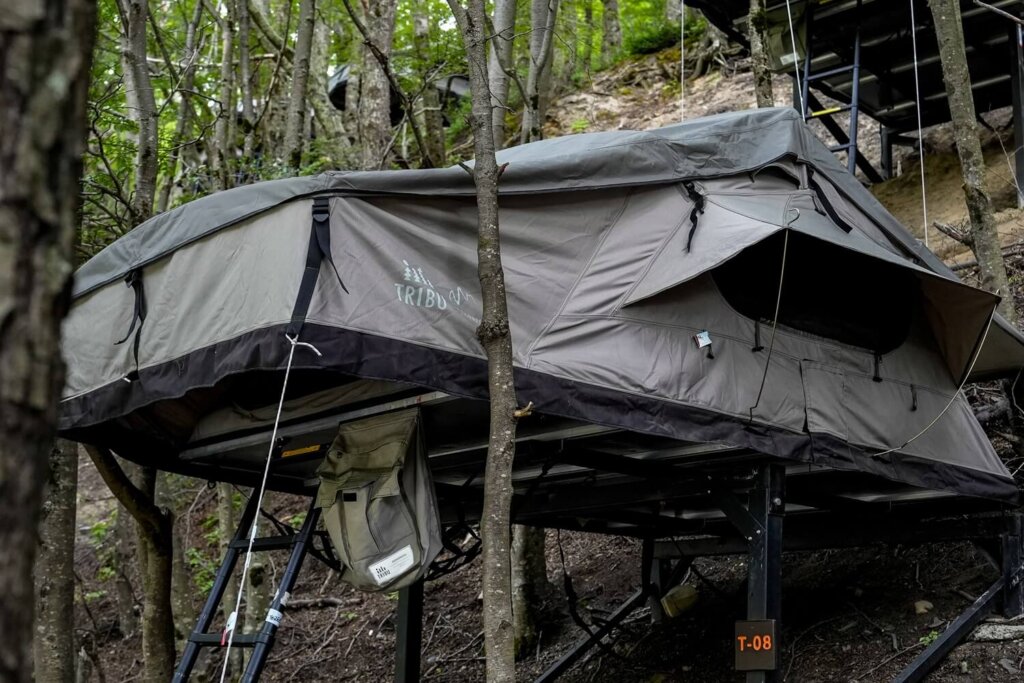
If you’re planning on hiking either the W Trek or O Circuit, then you’ll want to stay at the campsites or refugios along the route. You can reserve your spot on the Las Torres and Vertice Patagonia websites. The price will depend on the type of camping you choose (fully equipped, semi-equipped or just a simple camping spot). Just as with the hotels, campsites have limited availability, so they do get booked up incredibly fast.
- Campsites along the W Trek from west to east: Refugio and Camping Grey, Paine Grande Refugio and Camping, Refugio and Camping Francés, Refugio and Camping Los Cuernos, Torre Central Shelter and Las Torres Campground and Refugio El Chileno.
- Campsites along the O Circuit from east to west: Camping Serón, Refugio and Camping Dickson and Camping Los Perros.

Accommodations in Puerto Natales
If you don’t want to splurge to stay in a hotel inside Torres del Paine, you can always find one in Puerto Natales. The city offers a great variety of options, catering for all budgets and needs. Plus, the town has many restaurants, cafes, supermarkets and bakeries. For independent visits, you can rent a car and drive into the park every day, or just take a public bus. Most day tours would also depart from Puerto Natales.
Our Top Hotel and Hostel Picks in Puerto Natales:
- Wild Hostel ($) is a popular budget hostel in the centre, close to the bus station. Breakfast is included and they have communal areas such as an on-site restaurant, bar, lounge and terrace.
- Bungalow by Toore Patagonia ($$) is a beautifully designed accommodation that has a living room, a fully-equipped kitchen and private bathroom.
- Vinnhaus ($$$) is located in the city centre in a fully-renovated historical house. It’s a short walk from many amenities, including the bus terminal and the waterfront.
Entry Fee to Torres del Paine
To visit Torres del Paine National Park, you need to purchase an entry pass. Currently, there are two ticket options:
- 1-Day Pass – $32,400 CLP per person for foreign visitors.
- “More than 1 Day” Pass – $48,500 CLP per person for foreign visitors.
You can purchase your entry pass on the CONAF website, as well as see up-to-date prices and potential discounts. Don’t forget to download your ticket before getting to the park, as you may not have good enough service to do so when you’re there.

Best Time to Visit Torres del Paine
Overall, the best time of the year to visit Torres del Paine National Park is between November and March. This is essentially late spring, summer and early autumn in Chile.
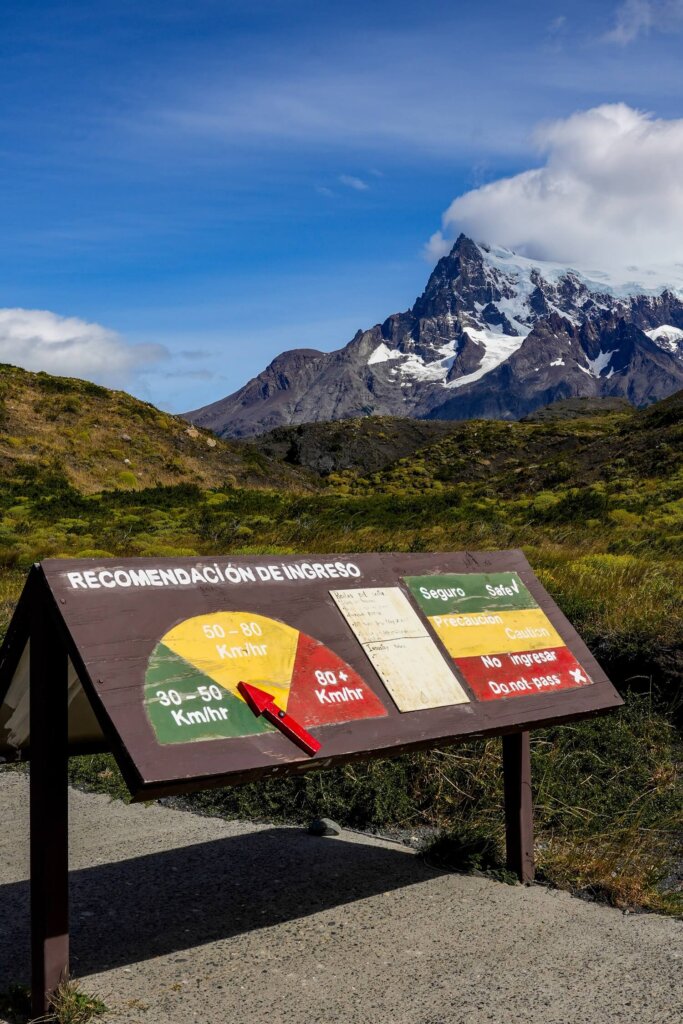
- December – February (Summer): During the summer months, you’ll have warmer temperatures and high chances of clear, dry days, with plenty of daylight to be out and about and for completing day hikes and treks. Whilst there will be less precipitation, strong winds and gusts are pretty common. The summer is also the high tourist season in Patagonia, so expect places to be more crowded.
- March – April (Autumn) and October – November (Spring): Spring and autumn offer less crowds but still pretty good chances for warmer days and longer daylight hours. You can also experience the blooming wildflowers or the colourful fall foliage. To maximise your chances for good weather conditions, come in mid-to-late spring or early-to-mid autumn.
- June – August (Winter): Winter is the least popular season to visit Torres del Paine, with many businesses closed for the season. The weather conditions will be harsh, with low temperatures. Many of the hiking trails will also be inaccessible or would require mountaineering experience with the right gear, as well as a licensed guide to accompany you.
How Long Should You Spend in Torres del Paine
The number of days you should spend in Torres del Paine will depend on how much time you have, whether you want to complete the W Trek or O Circuit and how many other hikes and activities you want to do in the park. Below are a few suggestions:
- Completing the W Trek. It takes between 4 or 5 days to hike the W Trek.
- Trekking the O Circuit. It typically takes 8 days to complete the O Circuit.
- Only doing a few hikes and activities. In this case, you will need the absolute minimum of 2 days, but ideally 3 to 4 full days.
Best Things to Do in Torres del Paine
For a more detailed list of things to do in Torres del Paine, read our dedicated guide.
1. Go on Day Hikes
There are countless shorter or longer day hikes you can do in Torres del Paine. These are excellent if you don’t want to, or have no time to, complete a multi-day trek. Below are some fantastic options:
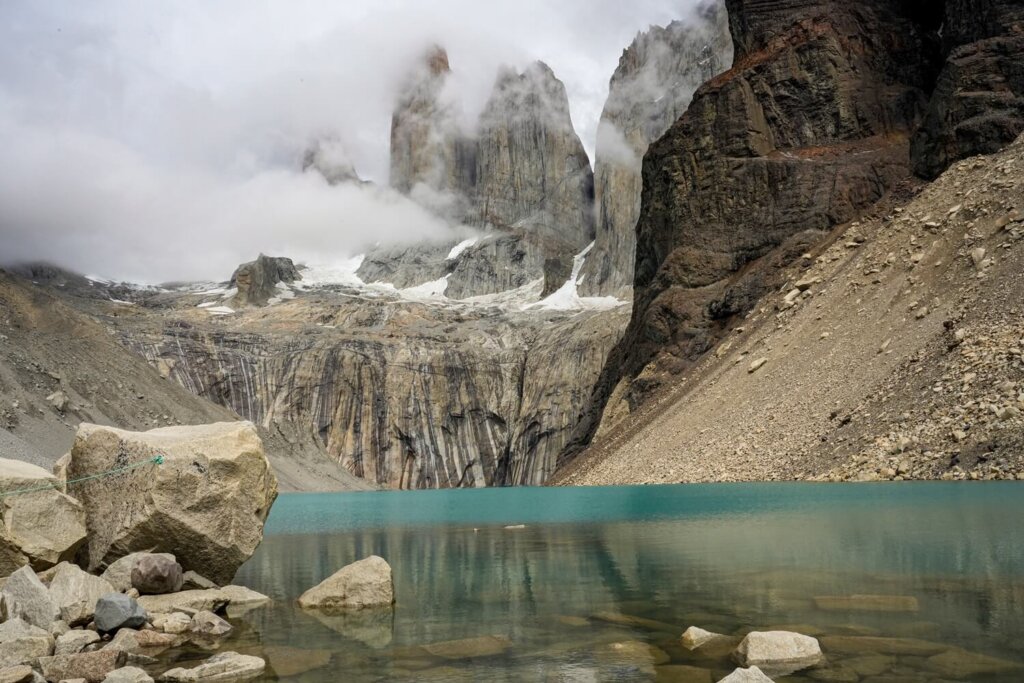
- Mirador las Torres Base. This 21 km (13 miles) out-and-back trail is the most popular hike in the national park. It takes you to the shores of Lago Torres at the base of the three granite towers, or torres.
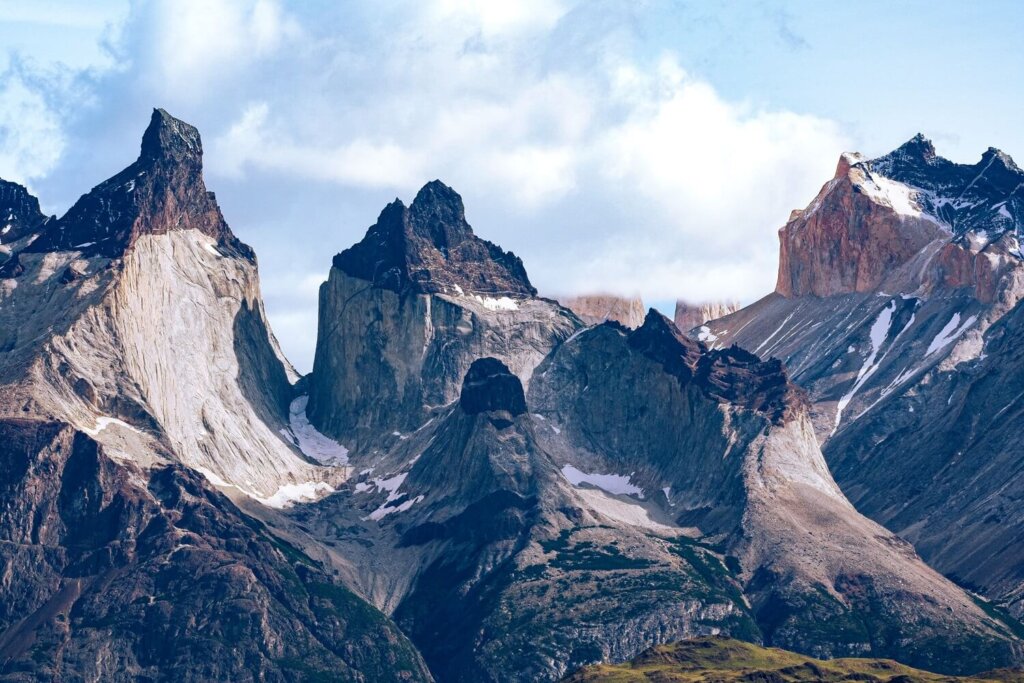
- Mirador Cuernos. This 7.8 km (4.8 miles) out-and-back route was our favourite day hike. It takes you to a stunning viewpoint of Cuernos del Paine, passing the powerful Salto Grande waterfall on the way.
- Mirador Glacier Grey. This is a 23km (14 miles) out-and-back trail that takes you to the best viewpoint of Grey Glacier.
- Mirador Lago Grey. This is a much shorter (5km/3.1 miles) walk out to a small islet, with lovely views of Lake Grey and the glacier in the distance.
- Mirador Condor. It’s a 2.6 km (1.6 miles) trail that takes you to a magnificent viewpoint of the the turquoise lakes and entire Paine Massif in the background.
2. Complete a Multi-Day Trek
Going on an adventure-filled multi-day trek in Torres del Paine is on most outdoor enthusiasts’ bucket list. There are two main treks you can do: the W-Trek or the O-Circuit.
- W-Trek. This is the most iconic multi-day hike in Torres del Paine. It’s a 75 km (46 miles) route connecting three stunning valleys: Las Torres, the French Valley and Glacier Grey. It takes about 5 days/4 nights to complete this trek.
- O-Circuit. This trek is essentially the longer version of the W hike. It’s around 120 km (74 miles), encircling the entire Paine Massif. Usually it takes 8 days/7 nights to complete.
Note. If you wish to complete any of these treks independently, then you need to book your accommodations very early, as they fill up incredibly fast. The campsites and refugios along the route can be booked on Las Torres and Vertice Patagonia.

3. Go on a Scenic Drive and Stop at Viewpoints
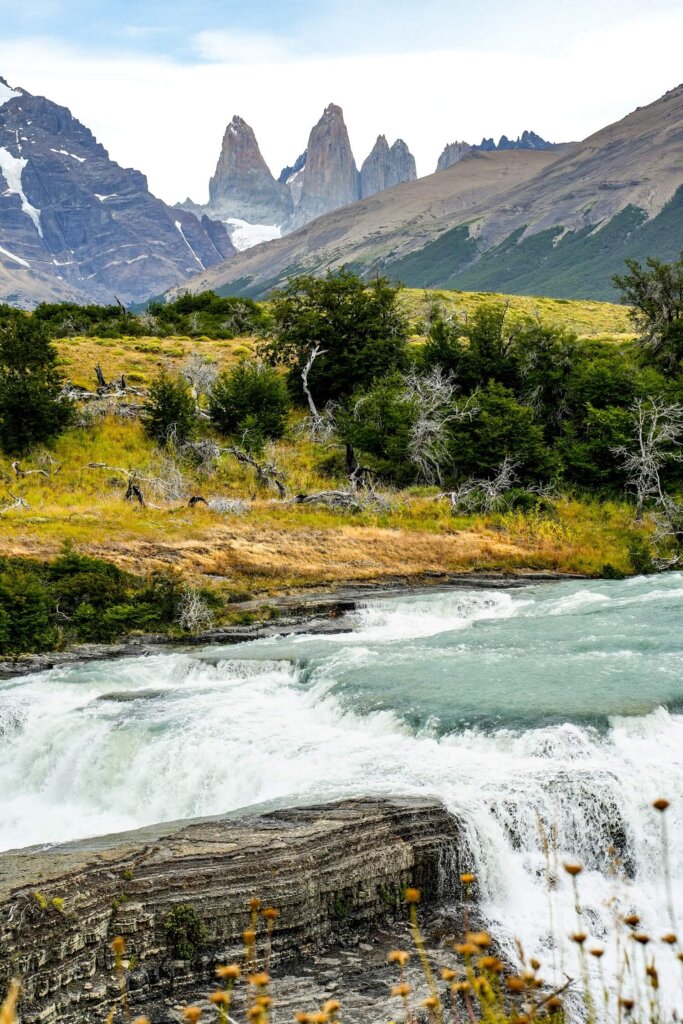
One of our favourite things to do in Torres del Paine was to drive around the park and find scenic viewpoints. Luckily, there’s no shortage of places you can pull-in and enjoy sweeping views of the mountain range. Below are some of our favourite ones:
- Rio Serrano Viewpoint
- Mirador Panoramico
- Boardwalk at Explora Patagonia Hotel
- Hosteria Pehoé Viewpoint
- Mirador Lago Nordenskjöld
- Cascada Rio Paine Viewpoint
4. Other Activities in Torres del Paine
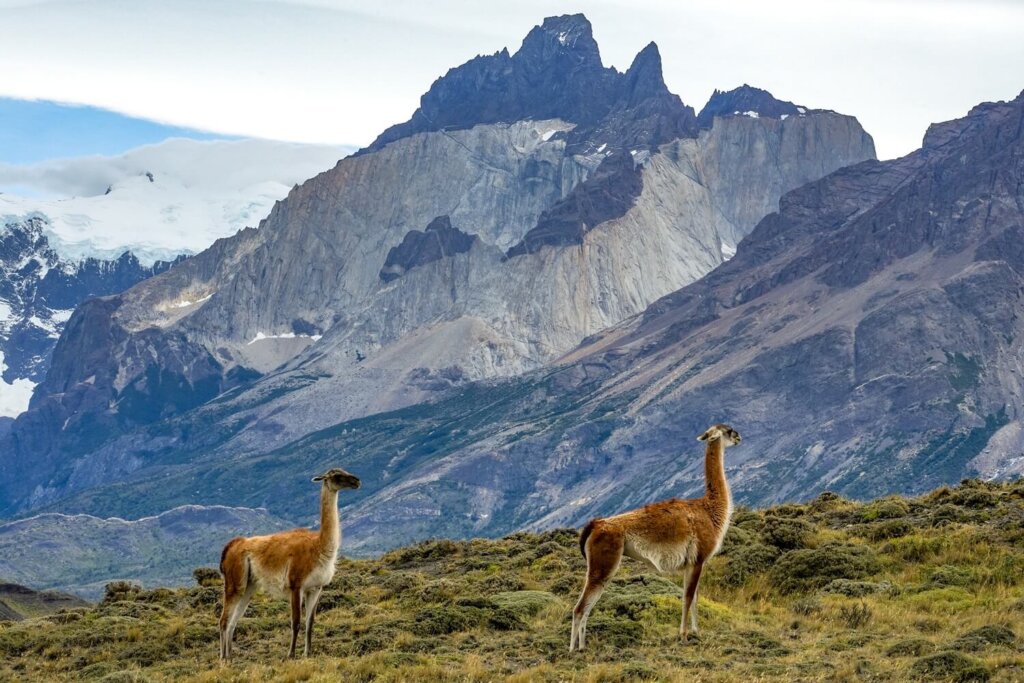
There are a variety of other outdoor activities in the national park, depending on how adventurous you are. Below is quick list of options to consider:
- Boat Tour. This 3-hour scenic boat tour, operated by Hotel Lago Grey, will take you along Lago Grey, surrounded by beautiful scenery, before reaching the impressive Glacier Grey.
- Kayaking Tour. For a more intense activity, consider booking a kayaking tour, which takes you along Grey Lake past the floating icebergs.
- Glacier Trekking. A truly unforgettable experience would be to go trekking on Glacier Grey itself. Check out this 5-hour ice trekking tour operated by Big Foot Patagonia.
- Puma Tracking. Torres del Paine is one of the best places in the world for puma viewing. Booking a dedicated puma watching tour will increase your chances to see one or two in their natural habitat.
- Horseback riding. Saddle up and see the stunning Patagonian landscape on horseback.
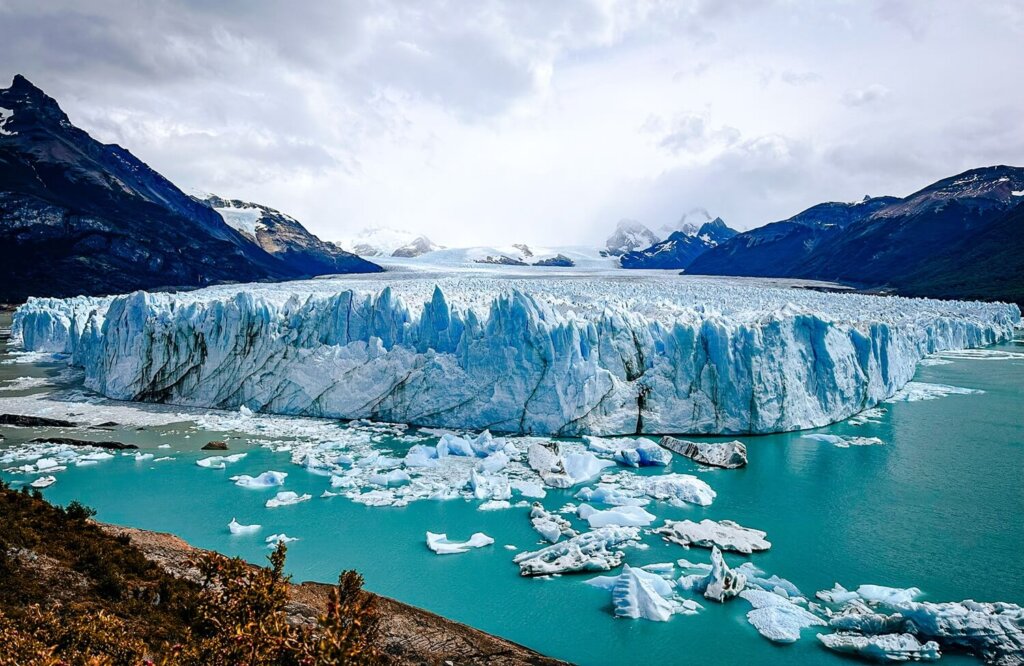
Torres del Paine vs Los Glaciares National Park?
If you’re just planning your Patagonia itinerary, then you may be wondering which national park is best to visit: Torres del Paine in Chile or Los Glaciares in Argentina? Well, in an ideal world, you would go on a longer trip and visit both. However, if you only have time for one, then it’ll be a tough decision.
We were fortunate enough to visit both, so decided to write a dedicated Los Glaciares vs. Torres del Paine National Park guide, where we compare these two popular places based on many aspects, such as cost, accommodation options, hiking opportunities and more.
There are day trips to Los Glaciares from Puerto Natales to places such as Perito Moreno Glacier. However, it’s quite a long way to go, including two border crossings, just for the sake of a few hours in the national park. There’s so much beauty in Torres del Paine that we personally suggest spending that day visiting Glacier Grey, hiking, horseback riding or wildlife spotting, instead of sitting on a bus.
If you found this blog post useful and want to show your support, you can buy us a coffee here.
Now, let your adventure begin,

Remember…It all starts with a Pin…



Such an useful article! I love all the detailed information that make planning a trip there easy
wow! looks wonderful! Thank for the detailed article!