

A Complete Guide to Los Glaciares National Park in Argentine Patagonia

Los Glaciares National Park is an area of exceptional natural beauty and is undoubtedly on every visitors’ Patagonia itinerary. Here you’ll find some of the most iconic mountain peaks in the Andes, as well as many of the world’s largest glaciers, turquoise blue lakes and incredible wildlife.
Before you book your trip and pack your bags though, there are a few things you should know about visiting Los Glaciares National Park. We’ve grouped these into different categories such as how to get there, where to stay, how long to stay for, the best time to visit, entry fees and, of course, the best things to do. At the end, we’ll also briefly discuss whether you should take a day trip to Torres del Paine in Chile or not. We hope that this guide will be a great aid for you as you plan your own unforgettable trip to Los Glaciares National Park.
If you’d like to see our trip for yourselves, make sure to watch our Los Glaciares National Park video, which we shared on our YouTube channel Kitti and Jon. For more videos from the country, check out our Argentina playlist.
Disclosure: This post may contain affiliate links, which means we may receive a small commission if you click a link and purchase something. Clicking these links won’t cost you anything, but it will help us to keep this site up and running! Learn more about our affiliate policy.

Where is Los Glaciares National Park?
Los Glaciares National Park is located in the southwest of the Santa Cruz Province in Argentine Patagonia. It covers an area of nearly 730,000 hectares, making it the largest national park in the country. The park gets its name because of the high number of large glaciers in the area, such as Perito Moreno, Upsala, Viedma and Spegazzini. Many of the glaciers are actually fed by the Southern Patagonian Ice Field, the southern hemisphere’s largest expanse of ice outside of Antarctica.
Los Glaciares National Park was created in 1937 to preserve much of the southern Andes’ glaciers, forests and steppe. It was declared a UNESCO World Heritage Site in 1981.

How to Get to Los Glaciares National Park?
The gateway city to Los Glaciares National Park is El Calafate. It’s located along the southern aspect of Lago Argentino, just off Ruta 40 (National Route 40), which runs the entire length of western Argentina between Jujuy and the Santa Cruz Provinces. The city can be reached by plane or by taking a long-haul bus.
Another popular town you can visit Los Glaciares from is El Chalten. It’s located about 215km to the north of El Calafate, to the north of Lago Viedma. It’s probably easier to get to El Calafate first, then travel from there to El Chalten. We’ll talk about where it’s best to be based further down.
Travelling to El Calafate from Buenos Aires
The fastest way to reach El Calafate after spending a few days in Buenos Aires is to fly. The city is served by El Calafate International Airport (FTE) and you can take a direct flight there. There are also seasonal domestic flights from San Carlos de Bariloche, Ushuaia and Trelew, as well as from Santiago, Chile. The main airlines offering flights are Aerolinas Argentinas, Flybondi and JetSmart.
Find Flights to El Calafate✈️

Long-Haul Bus to El Calafate
Alternatively, you can also take a long-haul bus if you have the time. Two popular places that you can take a bus from are San Carlos de Bariloche and Ushuaia.
The bus between Bariloche and El Calafate goes through Esquel and also stops in El Chalten. Therefore, we suggest going to El Chalten first in this scenario, spending a few days there and then taking a short bus ride to El Calafate after. This way you’ll save yourself a few hours of back and forth travel and it’s also easier to arrange onward travel from El Calafate.
You may also be travelling to Los Glaciares after a visit to Ushuaia, the southernmost city in the world. If that’s the case, then you’ll likely need to travel to Rio Gallegos first, then continue on to El Calafate. Just note that buses between Ushuaia and Rio Gallegos won’t run every day!
The main downside of taking the bus is the journey duration, which can be over 24 hours. This is actually an average long-haul bus travel time in Argentina, due to the size of the country. We took a bus from Bariloche to El Chalten and it ended up being over 33 hours due to a long diversion.
In terms of cost, if you want the most comfortable seats, you’ll need to spend a little bit more. In the end, a flight ticket is probably going to cost less than a bus ticket, and you’ll get to your destination much faster.

Travelling to El Calafate from Puerto Natales in Chile
An international route that’s probably worth doing on a bus is from Puerto Natales in Chile to El Calafate. This is a popular way to cross the border after visiting Torres del Paine National Park. The bus journey time is only around 6 hours, which was way more pleasant than some of our longer bus rides. Make sure to secure your bus ticket early in the high season.
Travelling to El Chalten from El Calafate
There are regular buses between El Calafate and El Chalten. Getting a bus is also a great way to save some money. Most hiking trails are accessible on foot from the El Chalten, so you really don’t need to have a hire car as you probably won’t get too much use out of it during your stay.
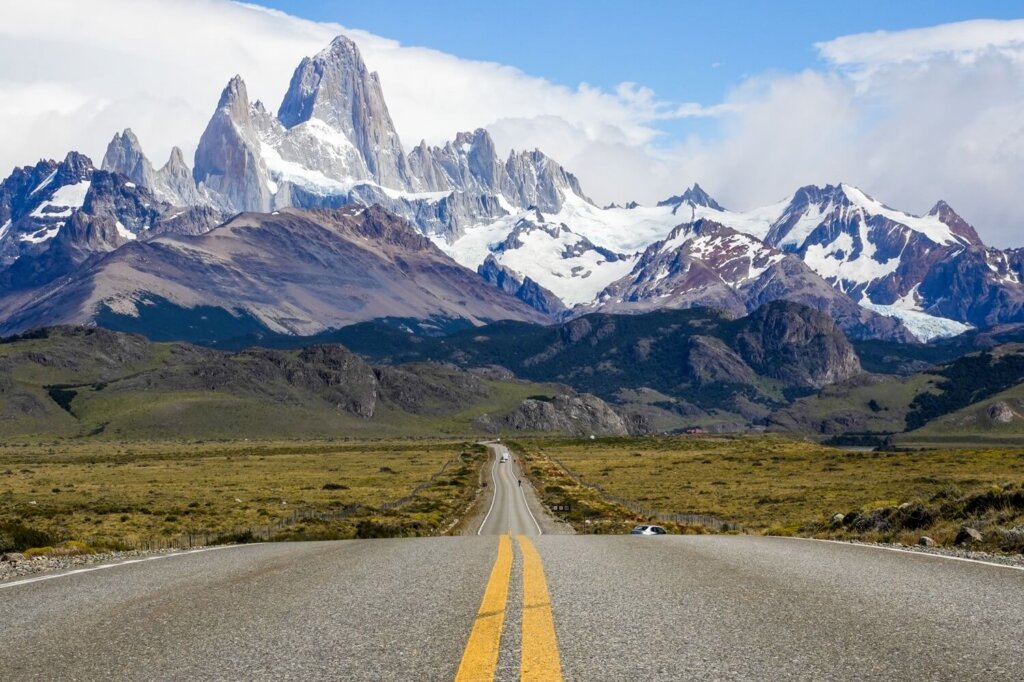
The drive between El Calafate and El Chalten was one of the most scenic roads we drove along in Argentina. So, we wouldn’t blame you for wanting to enjoy it in a private vehicle instead of a packed bus.
Rent a Car in El Calafate
Hire your car using Discover Cars where you can find the best rates as they compare local, national and international companies.

Entry Fee to Los Glaciares National Park
Since 2024, all national parks across Argentina require an entry pass. This, of course, includes Los Glaciares National Park. Currently, the entry fee for foreign visitors to Los Glaciares National Park is $50,000 ARS per day. To save some pennies, there are options for a 3-day or 7-day flexipass. In addition, you can also buy an annual pass for $300,000ARS, which grants you access to all national parks for the year. This may work out cheaper if you’re spending a few months backpacking through Argentina.
You can purchase your entry pass via the official website, as well as see up-to-date prices and discounts.
|
National Park Pass |
Daily Pass |
3-Day Flexipass |
7-Day Flexipass |
|---|---|---|---|
|
Cost (ARS) |
$50,000ARS |
$100,000ARS |
$175,500ARS |

Where to Stay in Los Glaciares National Park?
The two main places to stay when visiting Los Glaciares National Park are El Calafate and El Chalten. We suggest splitting your stay between these two places because they are quite far apart.
Best Places to Stay in El Calafate
El Calafate has everything you need for a comfortable stay, including different accommodation options for all budgets, plenty of eateries and other amenities. You can hire a car from the city or from the airport when you land, and most day tours also depart from El Calafate.
Below are some of our top accommodation picks for El Calafate:
- Lago Argentino Hostel ($) – A fantastic hostel in the heart of El Calafate. They have breakfast included, as well as kitchen facilities.
- Kau Yatún Hotel Boutique ($$) – It is surrounded by the Patagonian steppe of Estancia 25 de Mayo and features traditional ranch style architecture with breakfast included.
- Hotel Posada Los Alamos ($$) – This hotel is situated in the heart of El Calafate. It has spa facilities with an indoor pool and includes breakfast.
Best Places to Stay in El Chalten
For such a small town, there are actually many hotels and hostels dotted around El Chalten. However, it is very popular, so we recommend booking your accommodation as early as possible if you’re visiting in the high tourist season. You also have to expect higher prices per night than in El Calafate.
Below are some of our top accommodation picks for El Chalten:
- Rancho Grande Hostel ($) – This hostel is a great budget option that also offers private rooms. They have a restaurant and are located close to the Fitz Roy trailhead. Book it on either Booking.com or Hostelworld.
- Posada y Cabañas El Barranco ($$) – This mid-range hotel offers private rooms with bathrooms and includes breakfast, which is always a bonus.
- Destino Sur Hotel & Spa de Montaña ($$$) – This hotel offers great luxury to their guests, including spa facilities and mountain views. It’s also close to the Fitz Roy trailhead and you can book in for a massage after your hike.
Of course, you can also camp along any of the popular hiking trails in El Chalten. It’s not free though and spaces are limited, so we suggest pre-booking your desired campsite. The current cost for camping is $30,000ARS per person and not per tent! You can reserve your camping spot on this website: https://amigospnlosglaciares.org/campamentos/
How Long Do You Need in Los Glaciares National Park?
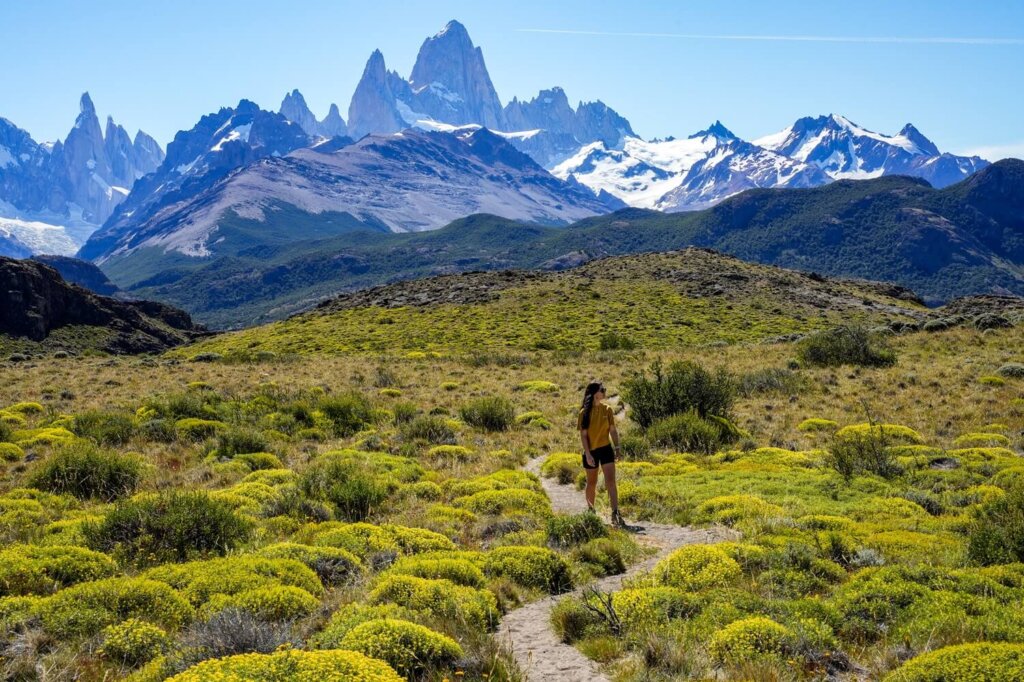
Depending how much time you have and how many hikes and activities you want to do, we suggest spending around 5 full days in Los Glaciares National Park. If you love hiking, then we recommend spending 3 days in El Chalten, which would allow you to complete two of the most iconic hikes, Mount Fitz Roy and Laguna Torre, whilst having an extra day for a shorter hike or two. Three days would also give you a little wiggle room in case the weather conditions aren’t ideal.
For El Calafate we would allocate about 2 days, which is enough to spend 1 full day visiting Perito Moreno Glacier and another day for wandering around El Calafate itself.
Of course, you can so easily spend much longer in Los Glaciares National Park. There are so many incredible hikes and sites to visit that we could’ve easily spent an entire month there. Of course, it’s also not the most affordable of places, so bear that in mind too when planning the length of your stay.

Best Time to Visit Los Glaciares National Park
Overall, the best time of the year to visit Los Glaciares National Park is between November and March. This is essentially late spring, summer and early autumn in Argentina.
- December – February (Summer): During the summer months, you’ll have warmer temperatures and high chances of clear, dry days, with plenty of daylight to be out and about and for completing longer hikes. Whilst there will be less precipitation, strong winds and gusts are pretty common. The summer is also the high tourist season in Patagonia, so expect places to be more crowded.
- March – April (Autumn) and October – November (Spring): Spring and autumn offer less crowds but still pretty good chances for warmer days and longer daylight hours. You can also experience the blooming wildflowers or the colourful fall foliage. To maximise your chances for good weather conditions, come in mid-to-late spring or early-to-mid autumn.
- June – August (Winter): Winter is the least popular season to visit Los Glaciares, with many businesses closed for the season. The weather conditions will be harsh, with low temperatures. Many of the hiking trails will also be inaccessible or would require mountaineering experience with the right gear.
Best Things to Do in Los Glaciares National Park
Visit Perito Moreno Glacier
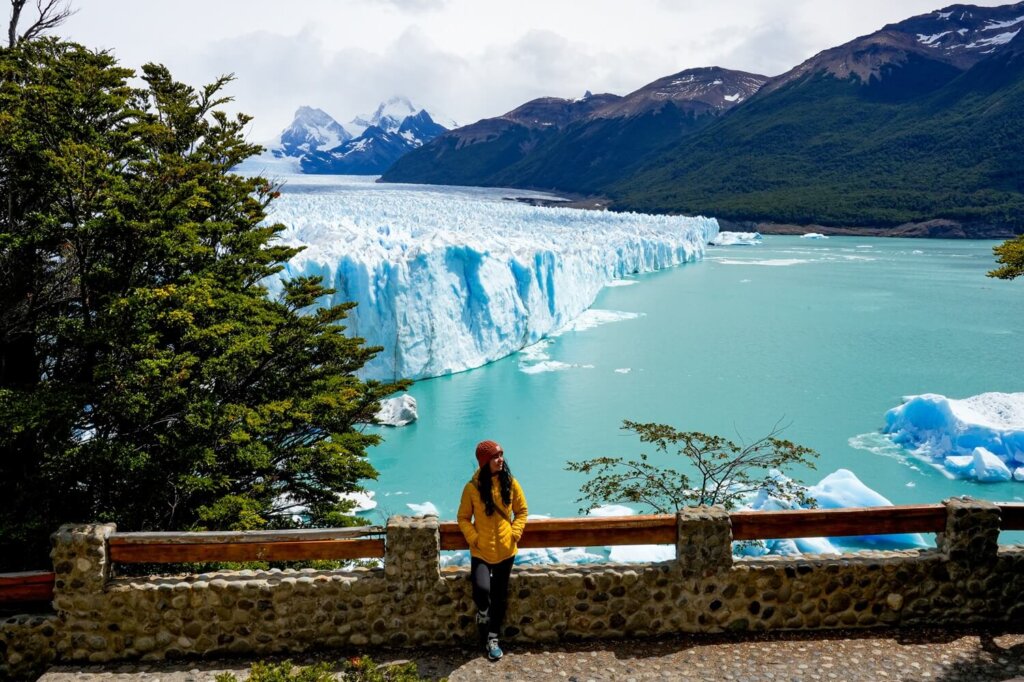
One of the most visited natural attractions in Los Glaciares National Park is the Perito Moreno Glacier. Rising up from the turquoise Lago Argentino, the largest freshwater lake in the country, this impressive glacier left us in awe. Perito Moreno is massive, with a length of about 30km and a height of 78m (256 ft) above the lake at its tallest point. Its deepest point is almost an astonishing 700m (2,297 ft) below the waters surface!
How to Get to Perito Moreno Glacier
If you want to visit Perito Moreno Glacier independently, then rent a car in El Calafate. Having our own vehicle allowed us to set off as early as we wanted to and stay at the site for longer. As a result, we could enjoy the less crowded walkways later in the day. Another way to get to the glacier independently is with a public bus. Book your bus ticket from El Calafate to Perito Moreno Glacier.
An easy and convenient way to visit Perito Moreno Glacier from El Calafate is with an organised tour. When it comes to price, a basic tour that includes the transfer and a guided tour along the walkways would cost you a similar amount to a bus ticket.

Things to Do at Perito Moreno Glacier
Walkways. The main thing to do at Perito Moreno Glacier is walk around the network of walkways. These boardwalks have been installed on the cliffside directly opposite the glacier. Each platform offers a slightly different perspective of Perito Moreno. We suggest doing as many routes as you can to make the most of your visit.
Boat Tour. Another fantastic way to experience Perito Moreno is from a boat. This 1 hour cruise only tour offers the option to see either the North Face of the glacier or the South Face.
Kayaking. An unforgettable activity would be to go kayaking on Lago Argentino. This kayaking experience tour includes transfers from El Calafate, a 1.5 hour long kayaking adventure and also allows time for strolling along the walkways. You’ll always be accompanied by a guide and have safety briefings prior to kayaking.
Top Perito Moreno Glacier Experiences

Trekking on Perito Moreno Glacier
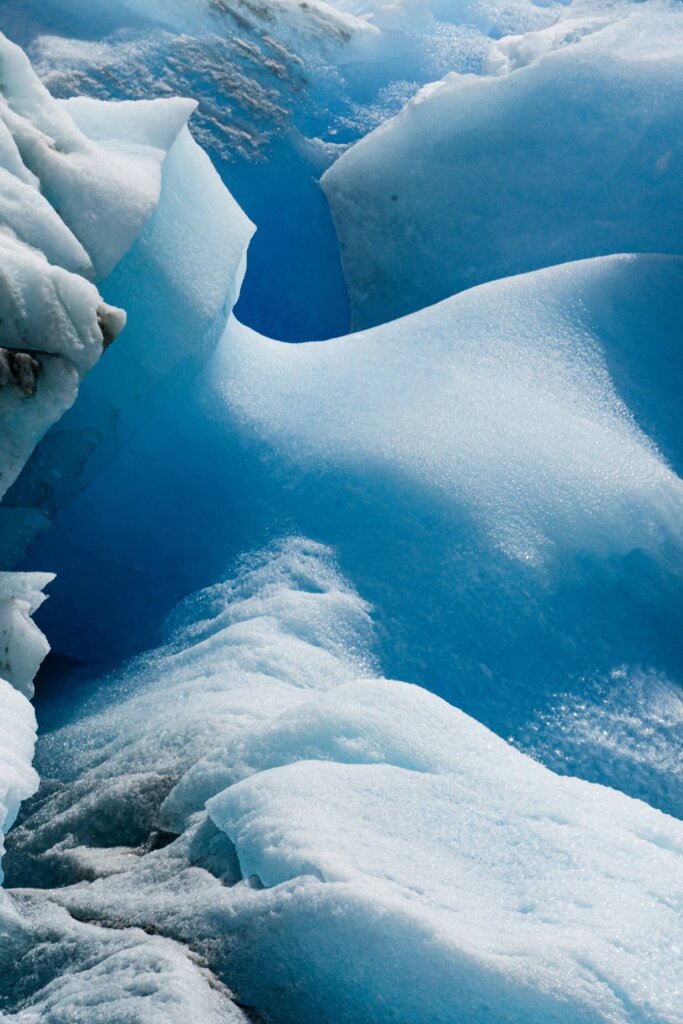
An incredible experience in Los Glaciares National Park is to trek on Perito Moreno Glacier. Walking on a glacier is definitely a unique adventure and you physically cannot be any closer to Perito Moreno than that. There are two types of glacier tours, depending on how adventurous you want to be and your budget.
Mini-trekking on the Glacier. This is the most popular adventure, as it isn’t too extreme and won’t break your bank account too badly. You’ll start by taking a short boat ride departing from Bajo de las Sombras port, where you can enjoy the views of the South Face of the glacier. After disembarking, you’ll get a safety briefing before strapping on your crampons and following your experienced guides across the ice.
Big Ice Expedition. If you’re craving a truly challenging experience, then this tour is for you. You’ll go much deeper onto Perito Moreno, hiking for about 3 hours through rugged terrain with an expert guide. Whilst it’ll be physically demanding, you’ll be sure to have the adventure of a lifetime.
Top Glacier Trekking Tours
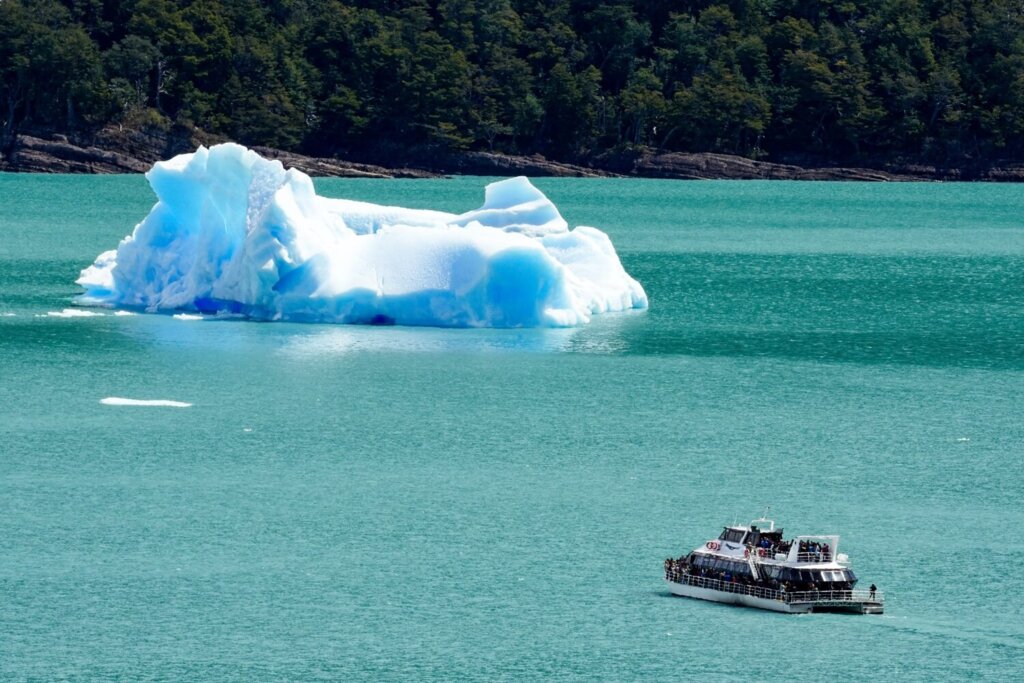
Sail to Upsala and Spegazzini Glaciers
Whilst Perito Moreno is the most visited glacier, it’s not the only impressive one you can see in Los Glaciares National Park. Upsala Glacier is actually much larger and wider than Perito Moreno, and is only accessible by boat. There’s also Spegazzini Glacier, which has the tallest ice wall in Los Glaciares National Park.
If you have a day to spare, then we recommend embarking on a full-day cruise that will allow you to see these impressive glaciers. The cruise will take you around parts of Lago Argentino that you wouldn’t otherwise see, where you’ll sail around massive free-floating icebergs. If we hadn’t have booked an Antarctica expedition already, we definitely would’ve done this cruise.
You can book this all-day boat tour departing from La Soledad Port that sails to Upsala and Spegazzini Glaciers.
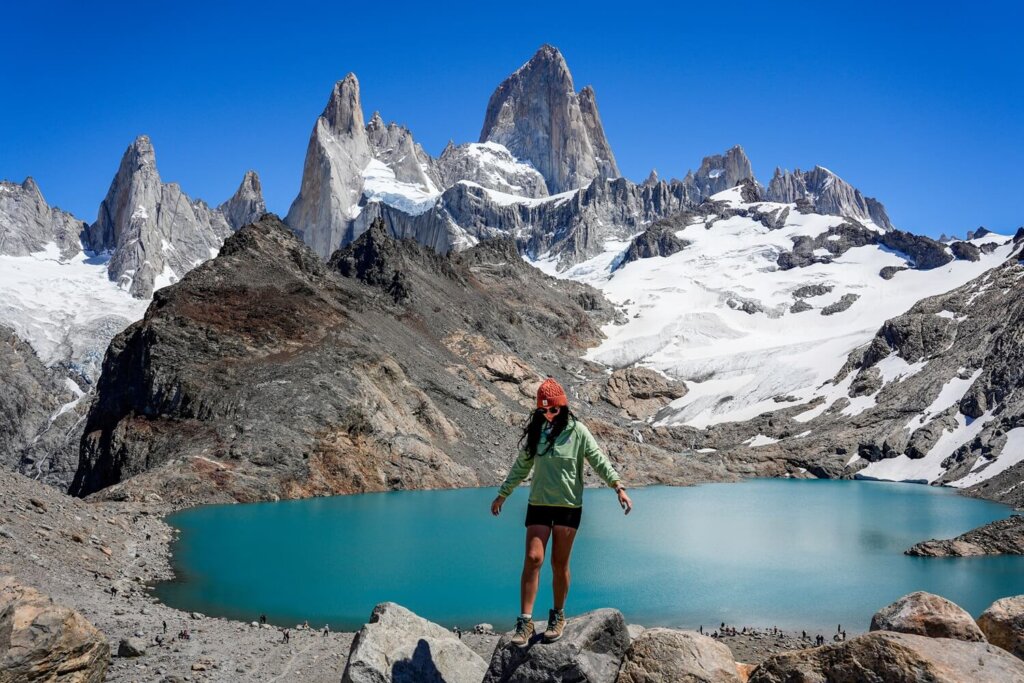
Hike Mount Fitz Roy / Laguna de los Tres in El Chalten
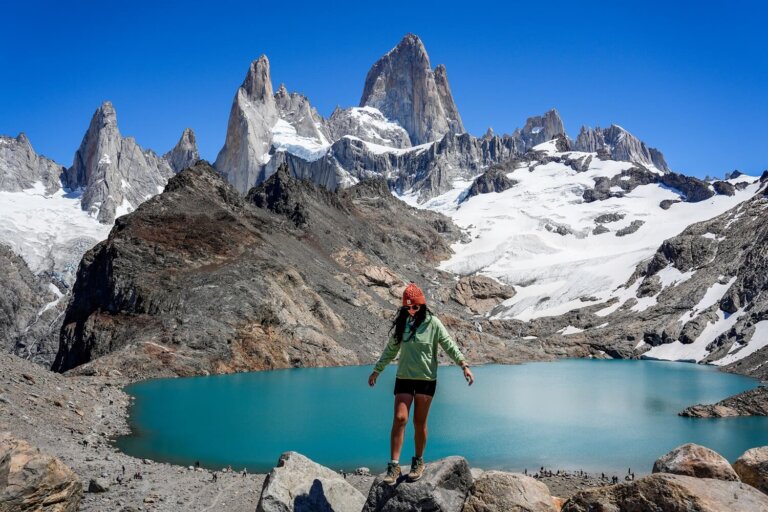
Mount Fitz Roy / Laguna de los Tres is the most popular hike in Los Glaciares National Park. The trail starts from El Chalten and will take you to the shores of the turquoise-blue glacier lake at the base of Mount Fitz Roy. It’s a 22 km (13.7 miles) long out-and-back trail, so you’ll need a whole day to complete it.
Along the path, there’ll be many beautiful viewpoints, such as Mirador Rio de las Vueltas shortly after passing the trailhead. Then you’ll also pass Mirador Fitz Roy before heading through the valley with the mountain in front of you the whole time. Eventually you’ll reach Poincenot Campsite where many hikers camp for the night. From here, you’ll have just over 1 km remaining of the trail (one-way) but it’ll be the hardest part of the entire trek, with an elevation gain of 400 m. Once you get through this part, you’ll be treated to some incredible views of Laguna de los Tres and Mount Fitz Roy before returning to El Chalten.

Hike Laguna Torre in El Chalten
Probably the second most popular hike in Los Glaciares is the Laguna Torre trail. This moderate but long trek also starts from El Chalten. Your reward at the end will be views of a beautiful glacial lake with icebergs floating in it, and Torre glacier with the iconic four jagged peaks as a backdrop.
Just like with Mount Fitz Roy, there are also a few points of interest along the trail. The first one is Mirador Cascada Margarita, which provides views of the Fitz Roy River, Cerro Solo mountain, Cerro Torre and its neighbours. Even Mount Fitz Roy will be visible from this viewpoint. Then the next viewpoint is Mirador del Cerro Torre. The rest of the path will zig-zag along the valley floor, with Cerro Torre visible the entire time in front of you. Soon you’ll reach the shores of Laguna Torre, where you can see icebergs floating in the glacier lake. If you wish, you can hike further along the rim of the lake to get a closer view of the glacier.


Wander Around El Calafate
Whilst El Calafate is an excellent base, in reality you won’t be coming all the way to Los Glaciares National Park to visit the city itself. After all, you’re in Patagonia and you’re here to see mountain peaks, glaciers, lakes and wildlife. Having said that, there are a handful of things to do in El Calafate if you want to spend an afternoon there or a day to relax.
Visit the Centro de Interpretación Histórica Calafate Museum. If you wish to learn more about Patagonia, including its human history, then consider a visit to the History Museum. Entry fee is $18,000 ARS. Note that all the information is in Spanish, but you’ll get an audio guide in English and other languages.
Visit Intendencia Parque Nacional Los Glaciares. This lovely park is located in the town centre and is free to visit. It had some information on the explorer Francisco Moreno.
Shop at the Artisanal Market. There are many souvenir shops in El Calafate, but this market features many amazing handmade works by local artists. So, if you want to get a souvenir, consider browsing through this market.
Sample El Calafate Berry Products. Easily mistaken for blueberries, the El Calafate Berry is actually native to this area. You’ll see many products made with this delicious berry including jams, syrups and ice creams. According to legend, anyone who consumes the Calafate Berry will return to Patagonia.
Try Other Local Delicacies. The town is full of lovely bakeries, artisan chocolate shops, craft breweries and other food establishments, where you can indulge in things like asado and ice cream. When you’re in El Calafate, be sure to try the Calafate berry and Patagonia chocolate ice cream flavours. You can thank us later!
Visit the Glaciarium. This museum and ice bar is just outside of El Calafate along Ruta 11. You can either drive there or take one of the free shuttles departing from here. It’s an interactive museum where you can learn about glaciers and the history of explorers and scientists. Entry fee is $25,000 ARS per person.


See Flamingos at Laguna Nimez Reserve
Our favourite thing to do in El Calafate was visiting the Laguna Nimez Reserve. This ecological reserve is only a short walk from the centre of El Calafate. It is part of the Calafateño Wetland and is home to more than a hundred species of birds, including flamingos! We hoped to see flamingos in the Atacama Desert, but didn’t expect to see some in El Calafate as well.
At the visitor center, we got some basic information about the area and could check out a board detailing flamingo sightings that day. There’s a 3 km long boardwalk that takes you around Laguna Nimez, with many information boards dotted along the way. There were also some nice viewpoints of Lago Argentino.
Entry fee is $12,000 ARS per person.

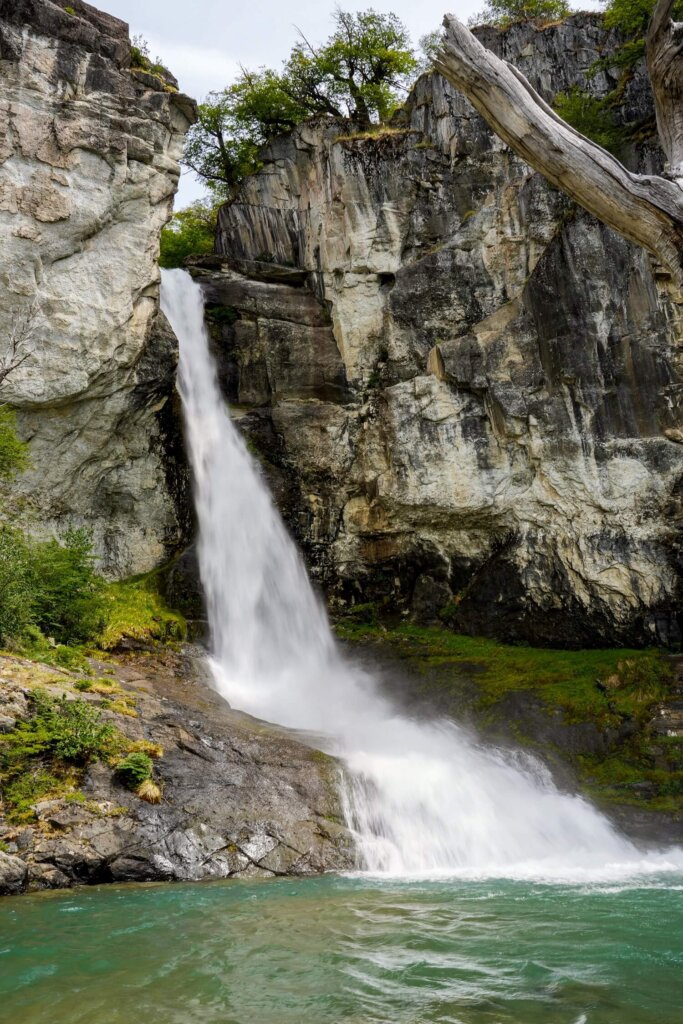
Hike, Hike and Hike Some More
You are in Patagonia, and the best activity here is hiking. There’s nothing like seeing this exceptionally beautiful place on foot. El Chalten is actually the National Capital of Trekking in Argentina, so there’s no shortage of trails to explore.
We’ve mentioned two of the most popular hikes already, but there are many more that you often don’t see on social media. Even if you’re not an avid hiker, there are many easy and moderate hikes to complete, as well as some more advanced treks.
Easy hikes in El Chalten:
- Chorrillo del Salto Waterfall
- Mirador de los Condores & Mirador de las Aguilas
- Mirador del Cerro Torre
Moderate hikes in El Chalten:
- Mirador Fitz Roy & Laguna Capri
- Laguna Torre
- Mirador del Glaciar Piedras Blancas
Difficult hikes in El Chalten:
- Laguna de los Tres
- Laguna Sucia
- Loma del Pliegue Tumbado
- Huemul Circuit
Read Next: Best Hikes in El Chalten
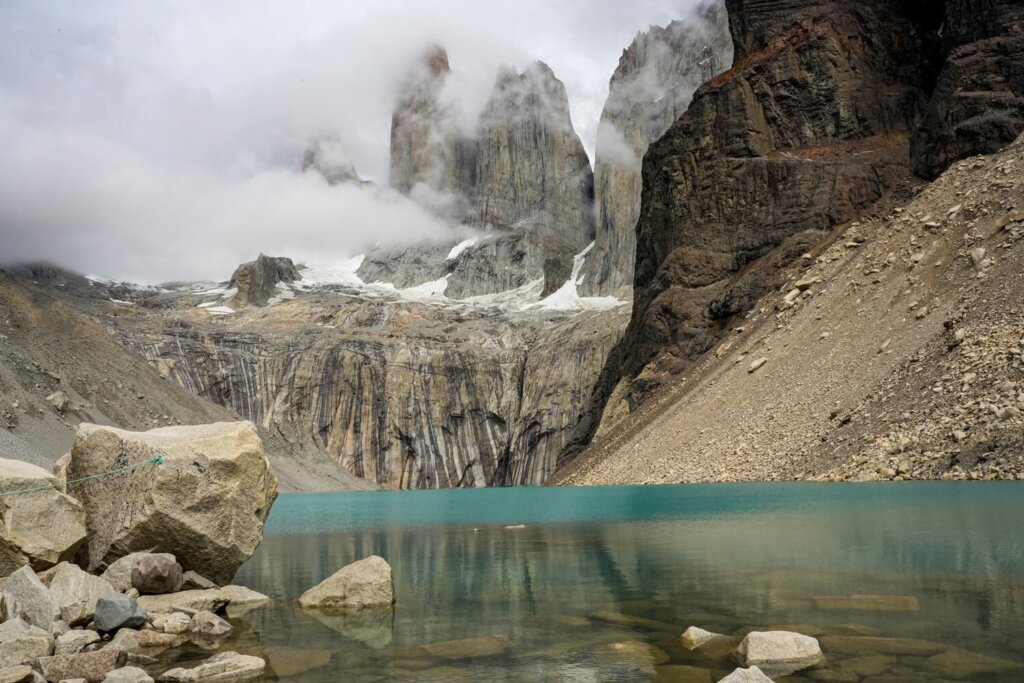
Los Glaciares or Torres del Paine National Park?
If you’re just planning your Patagonia itinerary, then you may be wondering which national park is best to visit: Los Glaciares in Argentina or Torres del Paine in Chile? Well, in an ideal world, you would go on a longer trip and visit both. However, if you only have time for one, then it’ll be a tough decision.
We were fortunate enough to visit both, so decided to write a dedicated Los Glaciares vs. Torres del Paine National Park guide, where we compare these two popular places based on many aspects, such as cost, accommodation options, hiking opportunities and more.
There are day trips to Torres del Paine from El Calafate, so in theory you could visit briefly. However, it’s quite a long way to go, including two border crossings, just for the sake of a few hours in the national park. There’s so much beauty in Los Glaciares that we personally suggest spending that day hiking, horseback riding, wildlife spotting or cruising, instead of sitting on a bus.
Now, let your adventure begin,

Remember…It all starts with a Pin…




I love that there are national parks all around the world that preserve amazing landscapes and landmarks.
I totally agree and hope it will never change!
Looks a lovely place to visit esp with the flamingo’s and the views 🙂
Yes, the flamingos were awesome.
Such a beautiful part of the world, with so much diversity.
Really useful information for planning a trip. 👍👌
Thank you so much! Patagonia is absolutely stunning!
Sounds like a wonderful place. I just need a lottery win to take me there!
Haha, yes a trip to Patagonia is definitely not a budget-trip!