
Valladolid, Mexico – A Short Guide to Our Favourite Magical Town

Valladolid is hands down one of our favourite Pueblo Magico’s on the Yucatan Peninsula. Many people only visit it on a day trip from other popular holiday destinations such as Tulum or Cancun, as part of a Chichen Itza tour. Some may consider spending a night there before heading out to the New Wonder of the World. If you’re currently planning your Yucatan trip, then we highly encourage you to spend a few nights in Valladolid. Whilst Valladolid is a small town in Mexico, there is plenty to do in and around it. In this short guide, we’ll list our top picks for what to do when staying in this Pueblo Magico.
If you’d like to see what we got up to, make sure to watch our dedicated Valladolid video, which also includes our day trip to Chichen Itza. If you’re interested in more Mexico content, check out the Mexico Playlist on our YouTube Channel.
Disclosure: This post may contain affiliate links, which means we may receive a small commission if you click a link and purchase something. Clicking these links won’t cost you anything, but it will help us to keep this site up and running! Learn more about our affiliate policy.
Things to Do in Valladolid, Mexico
Valladolid was founded in 1543 by Spanish colonizers next to the Chouac Ha lagoon, and was named after the capital city of Spain at the time. The city was relocated to its current location in 1545 because settlers complained about the amount of mosquitoes in the area. This new city was built on top of a Maya village called Zaci, which connected other Maya cities including Chichen Itza, Ek Balam and Coba.
Later, Valladolid played an important role in the Caste War in 1847, as well as the ”first spark of the Mexican Revolution” in 1910.
Today, due to its colonial and Moorish-style architecture, Valladolid is known by a few nicknames, such as “La Sultana del Oriente” (The Sultana of the East) and “La Perla del Oriente” (The Pearl of the East). Valladolid became a Pueblo Magico (Magic Town) in 2012, one of seven in the Yucatan state of Mexico.
Below we’ve listed some of our favourite things to do in Valladolid.
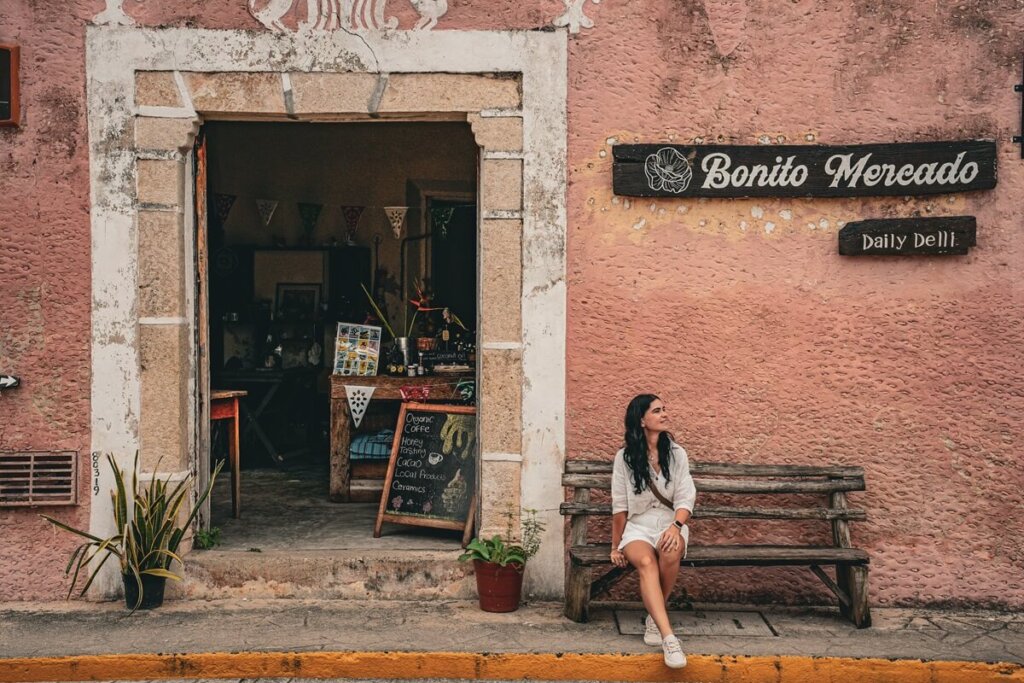
1. Wander Down Calzada de los Frailes
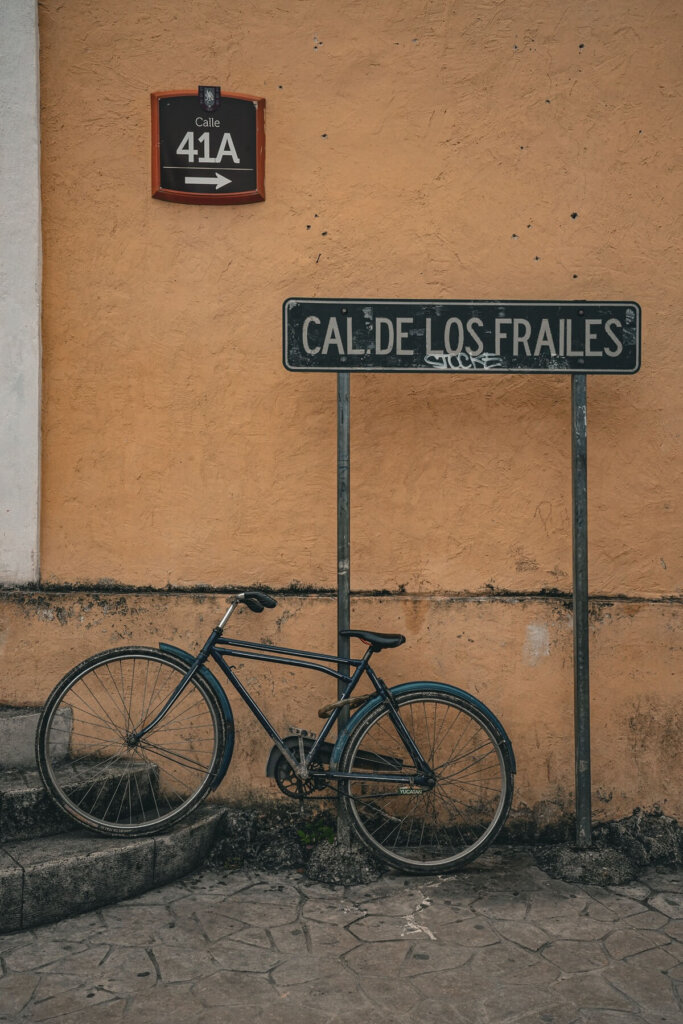
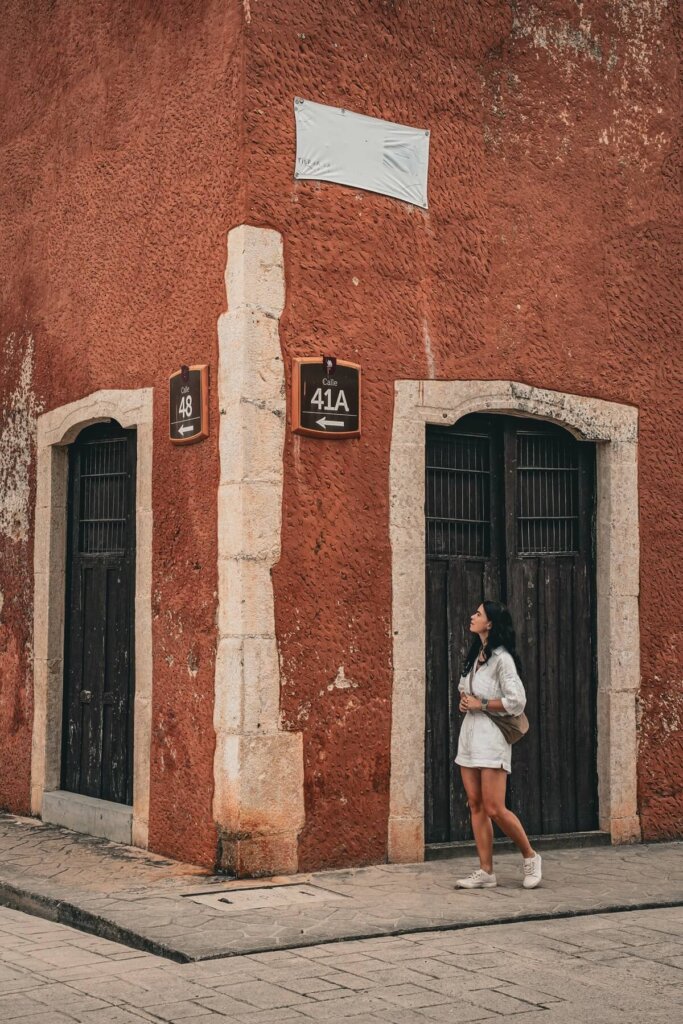
One thing we really love to see during city breaks is colouful and picturesque streets. If you’re the same, then we suggest getting up early and going for a stroll along Calzada de los Frailes, one of the most vibrant streets in Valladolid. All the buildings along the street are painted different colours and it’s lined with cafes, small shops, and several photogenic doorways and windows.
Whilst it won’t be buzzing early in the morning, we loved the peace and quiet before all the shops opened and the street became filled with more people and cars later in the day. The morning is also perfect for photography, when the light is less harsh. Don’t forget to return later in the day to also appreciate all the shops and restaurants along Calzada de los Frailes.
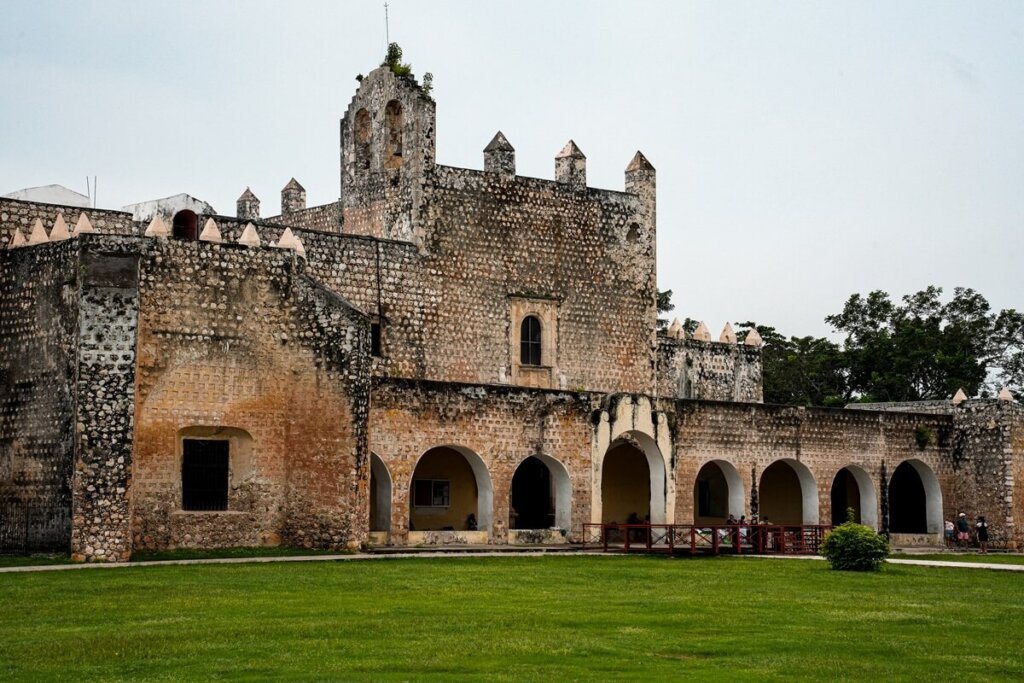
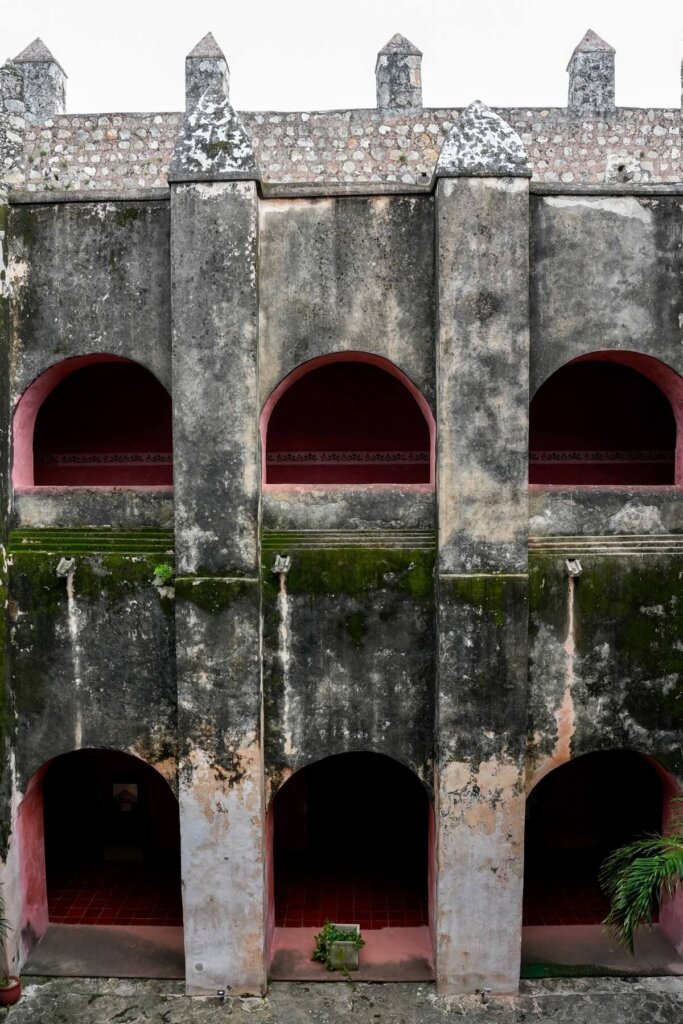
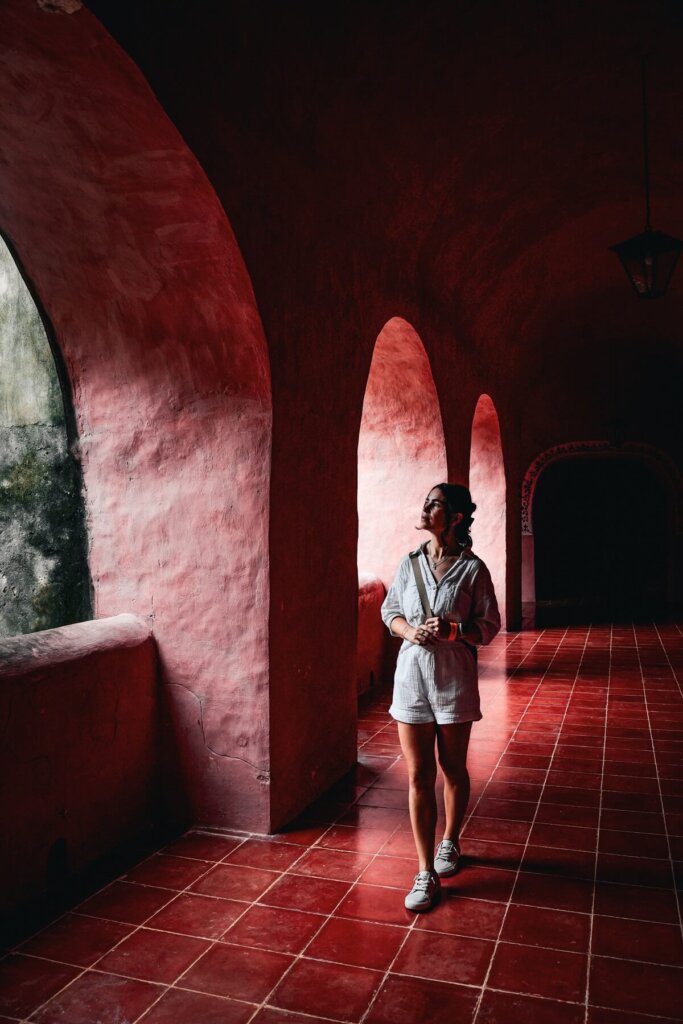
2. Visit the Convent of San Bernardino de Siena
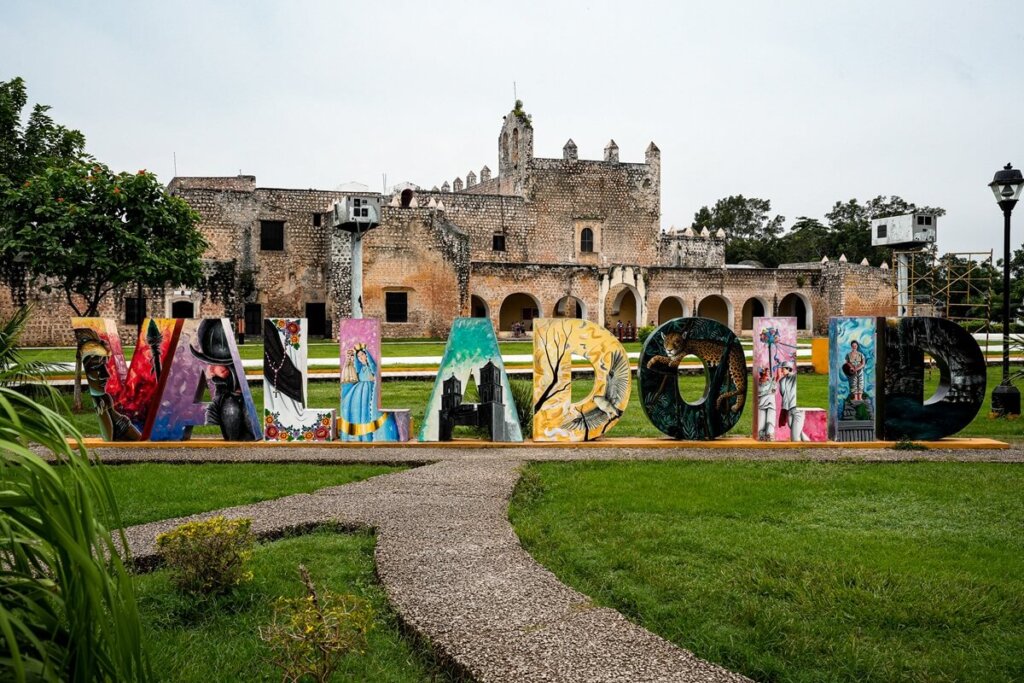
After reaching the end of Calzada de los Frailes, we ended up at Parque Sisal. Here stands a beautiful historic building, the Convent of San Bernardino de Siena. This church and formal convent was established by the Franciscan order. They began construction in 1522, finished the church in 1560 and completed all the work in 1613.
The convent is quite large; actually the second largest that was built by the Franciscans all over the Yucatan Peninsula, after the one in Izamal.
You can visit the church for free but there’s an entry fee of 40MXN per person for the convent. It opens around 9 AM, but don’t come super early as the receptionist may not be there yet.
Top Tip. Don’t forget to snap a photo of the colourful Valladolid letters in front of the convent in Parque Sisal.
3. Take a Tour of Casa de los Venados
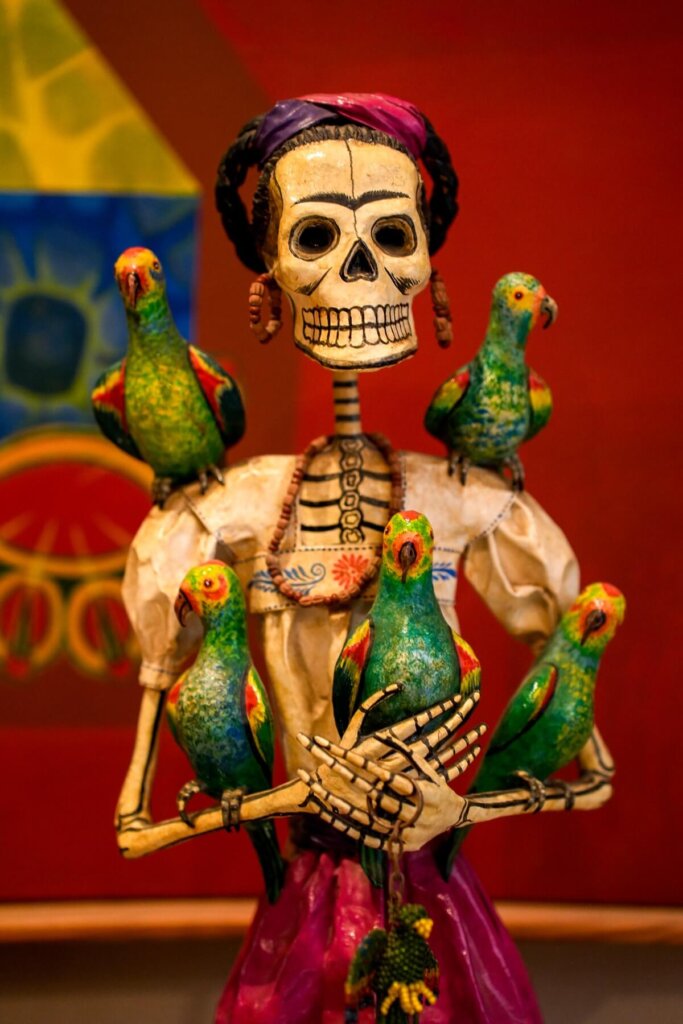
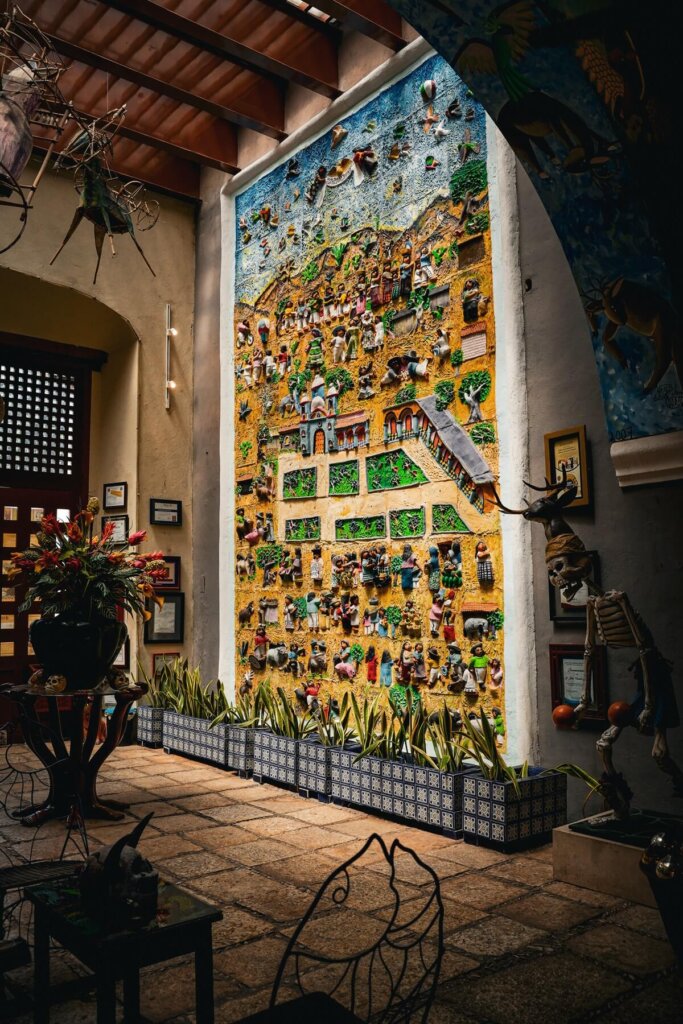
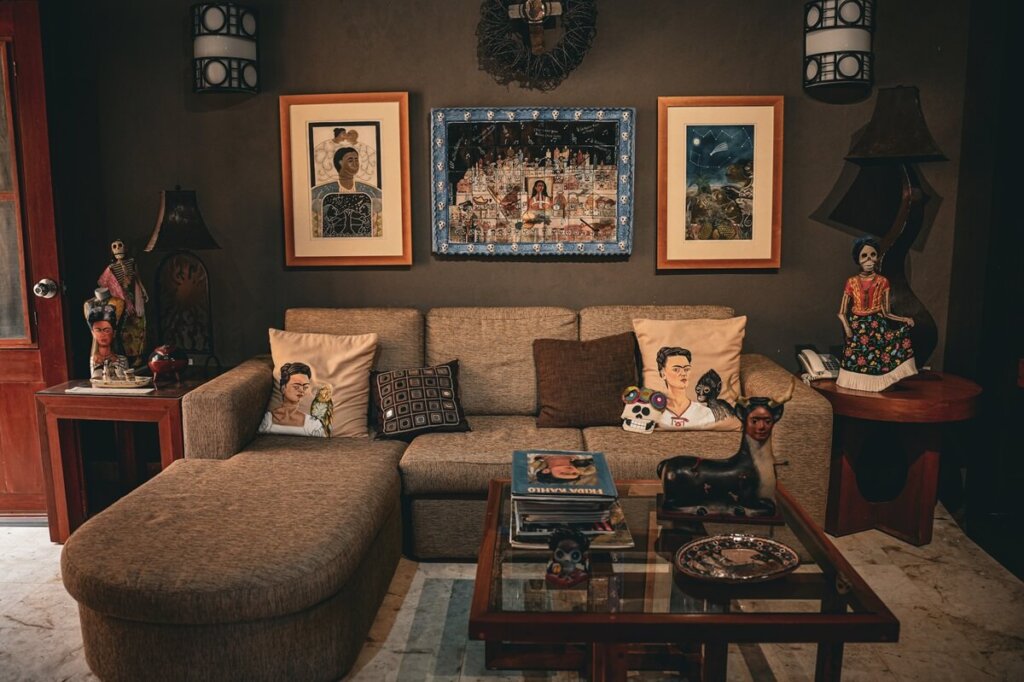
There are a few museums you can add to your Valladolid itinerary. If you only have time for one, we suggest taking a tour of Casa de los Venados.
What’s unique about this place is that it may look like a museum, but it’s actually someone’s private house. Yes, the owner still actively lives there. He was there when we visited, although we couldn’t actually meet him.
Since Casa de los Venados is someone’s home, you can only visit with a guide at certain times of the day. They run about 4 or 5 tours per day, with the first one starting at 10AM, followed by another at 11:30AM, 1PM and 2:30PM. We didn’t realise this until we got there 10 minutes after the first one started. Luckily, it was the off season, so we could just join the ongoing tour, as there was only one other person on it. So, we essentially ended up having a private tour.
The tour can last anywhere between an hour to 1.5hrs. The guide told us that in the peak season there would be way more people. Whilst he was wondering why we’d visit the Yucatan in the hurricane season, what with the incredible humidity, we were glad that we could enjoy places like Casa de los Venados without the crowds.
Whilst there’s no set entry fee, there’s a suggested donation of 100MXN pesos per person. You don’t have to tip the guide as they get a salary from the owner.
4. Cool Down in Cenote Zaci
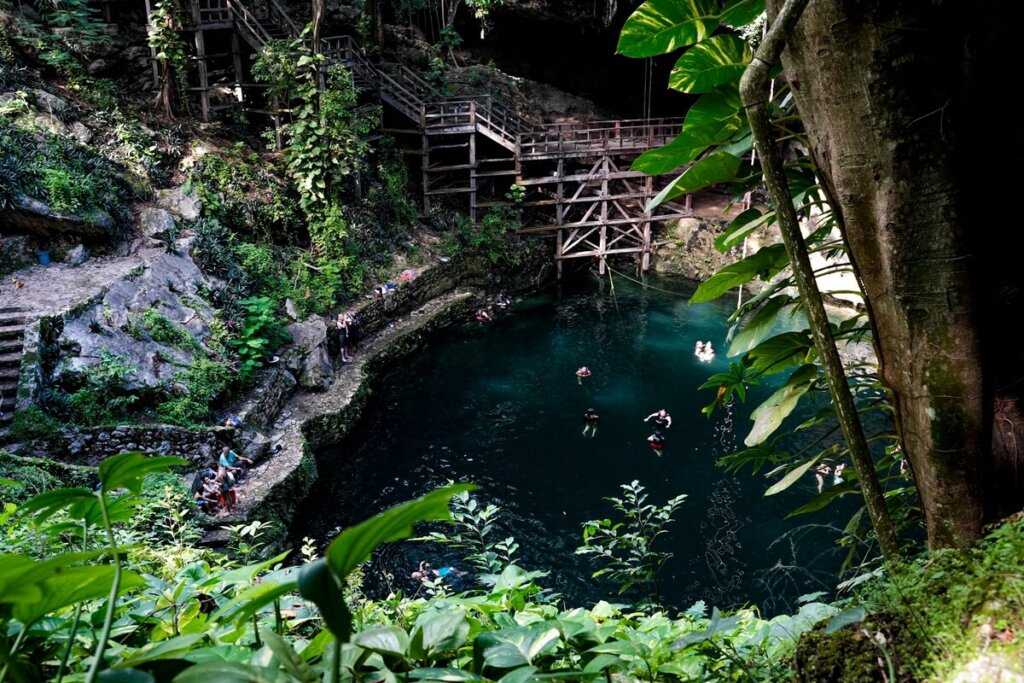
Cenote Zaci is located in the centre of Valladolid, which makes it possibly the most accessible cenote in the Yucatan Peninsula.
It is a semi-open cenote with stalactites, small waterfalls and plenty of greenery. Although there are some more impressive cenotes to visit near Valladolid, Cenote Zaci should still be on your itinerary. After all, Zaci is the perfect spot to cool down at after walking around Valladolid in the heat and humidity.
It’s worth noting though that the cenote can get quite crowded, especially in the peak season. We read that in order to control the crowds they may give you an hour to enjoy the cenote. Luckily, we didn’t have any time restrictions in the low season and it wasn’t too crowded either.
Entry fee is 150MXN pesos per person. A life jacket is mandatory due to the deep nature of the cenote, but doesn’t cost extra. There are toilet and changing facilities to use for 5MXN pesos.
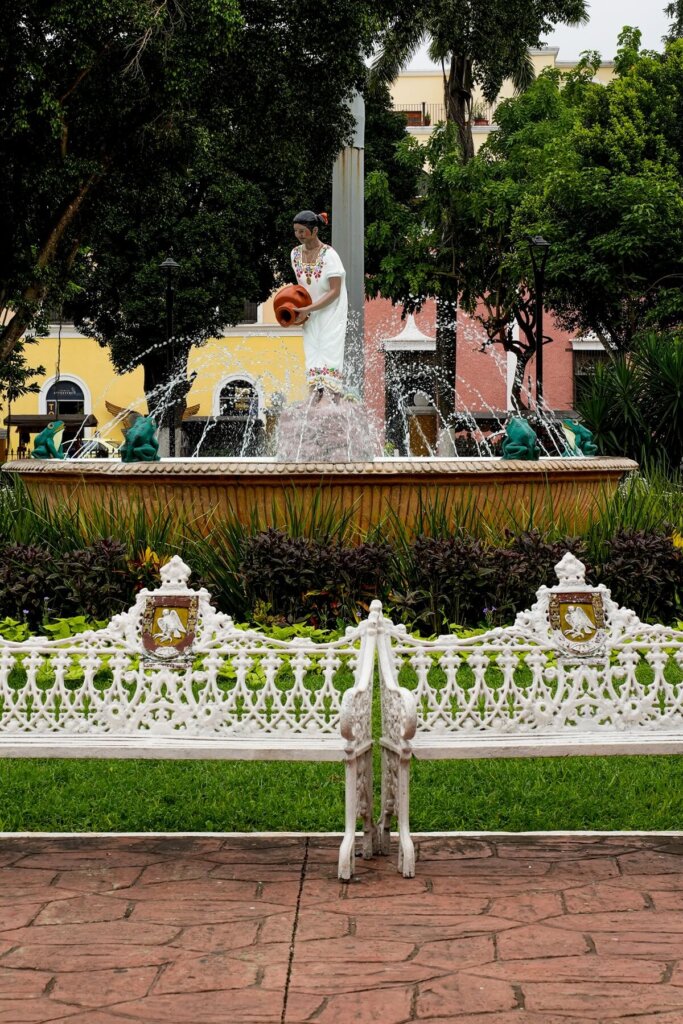
5. Enjoy the Atmosphere at Parque Principal Francisco Cantón Rosado
Every town you visit in Mexico has a main square (often called a Zocalo, Parque Principal, Plaza de Armas or Plaza Mayor), which is the beating heart of the place. This is where most residents and tourists meet and socialise during the day and at night.
We usually visit a town’s main square at different times of the day. We love to come early in the morning to appreciate the peace and quiet of the plaza, which is also great for photography. However, we always return later in the evening when the temperatures are cooler and more people are out and about. You’ll get to see both locals and tourists relaxing on the benches, feeding the pigeons, people watching and enjoying a snack from one of the many street food vendors.
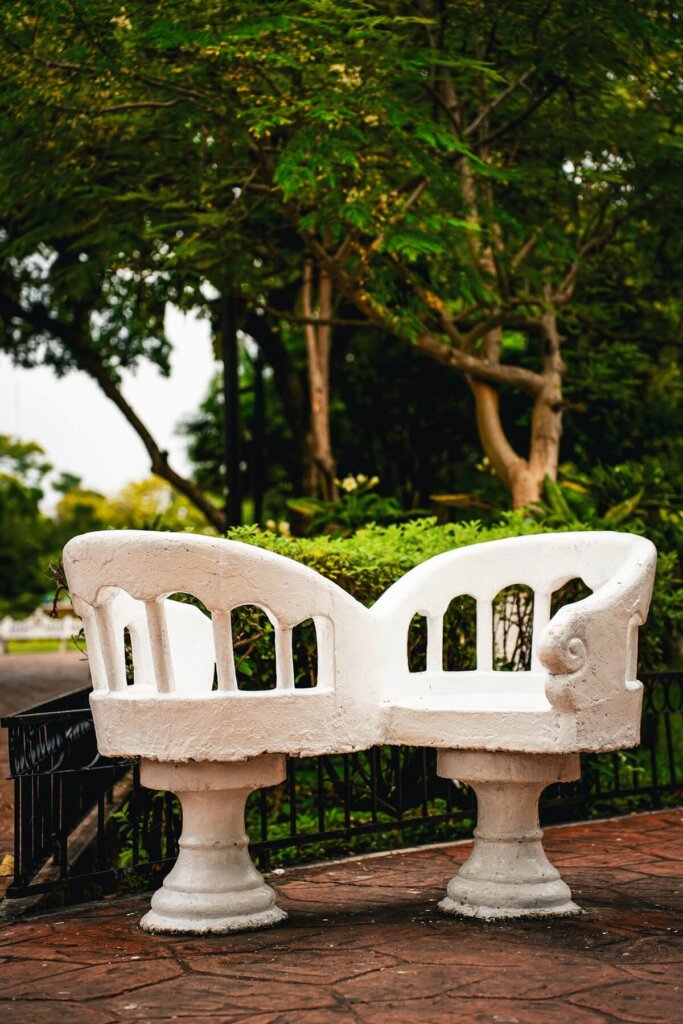
The park is also home to the iconic white painted “confidant chairs” that you may also spot in other places such as Merida in the Yucatan Peninsula. These are known by many names such as “kissing chairs”, “Tú y Yo” (you and me), and “De los Enamorados” (for those in love). As you can imagine, there are also many different stories and thoughts behind the design, although they were most likely inspired by the “butacas confidentes” (confidant armchairs) from the French Renaissance period.
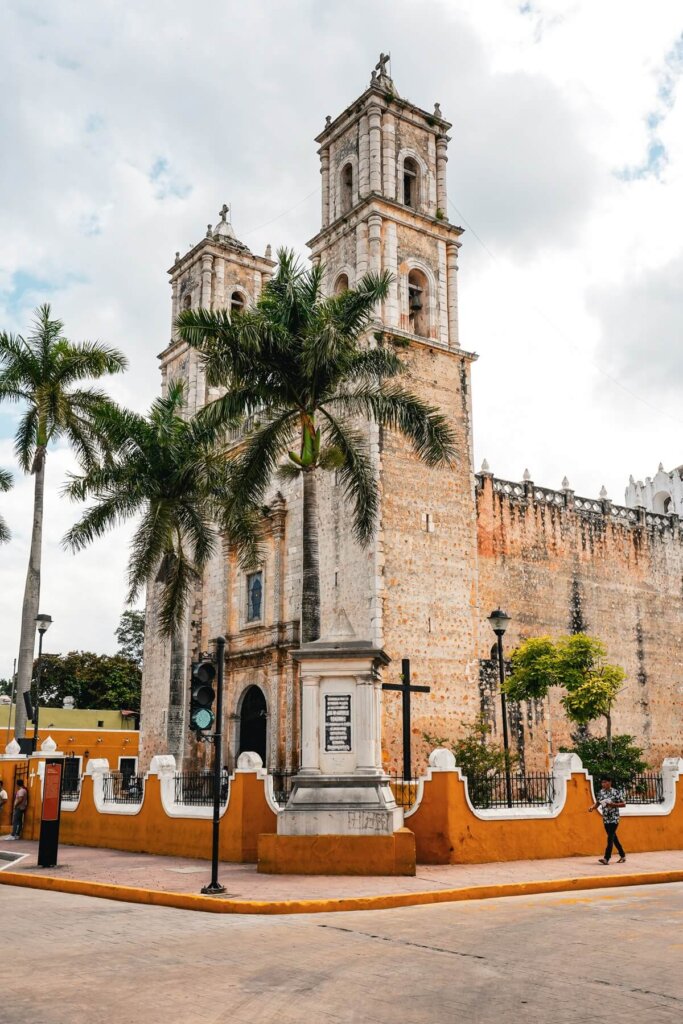
6. Check Out the Church of Saint Servatius (Iglesia de San Servacio)
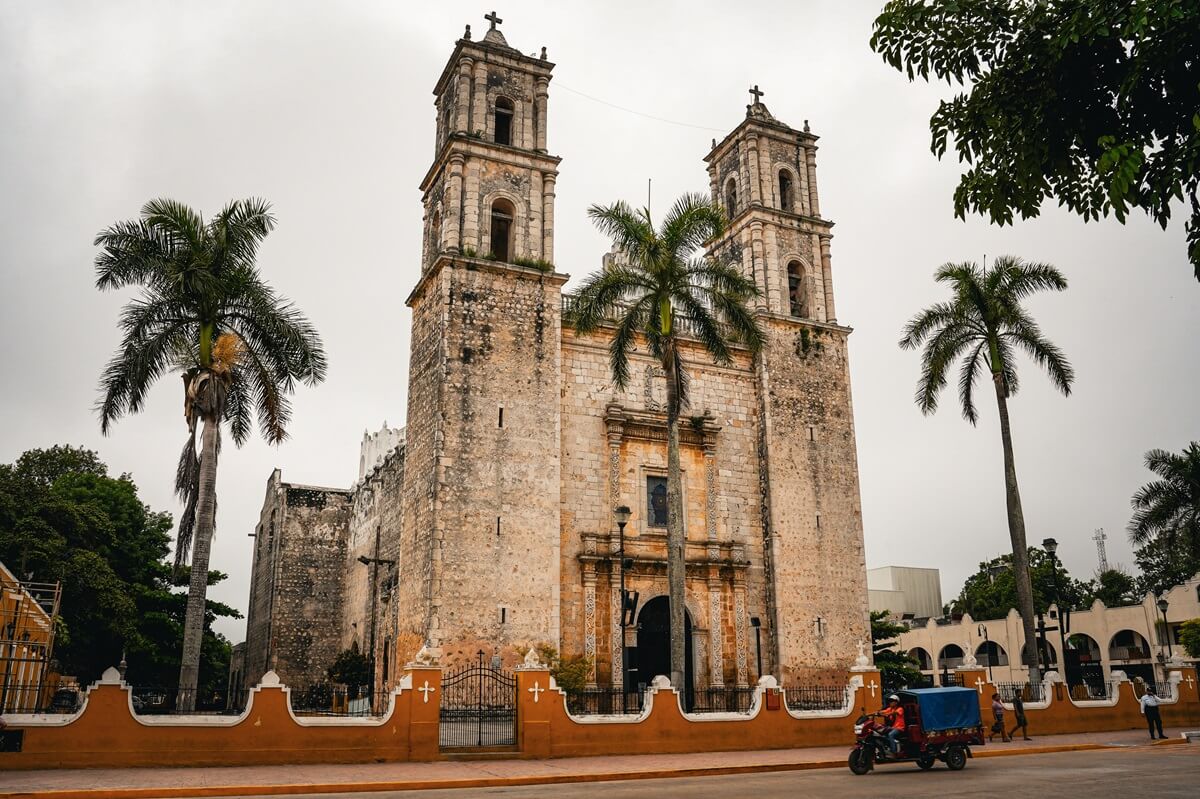
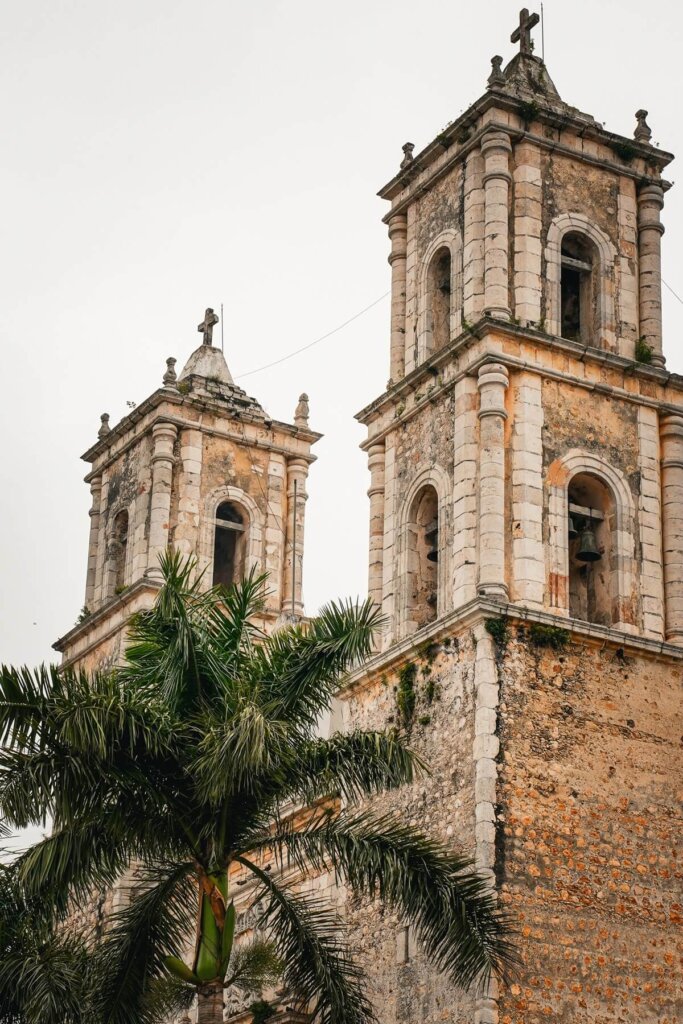
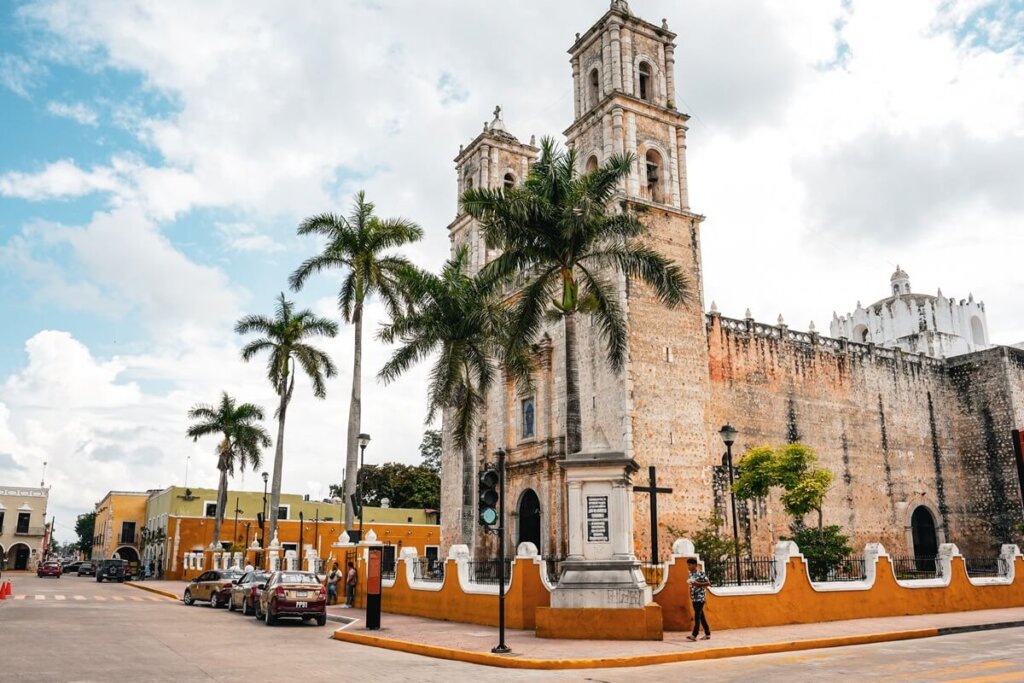
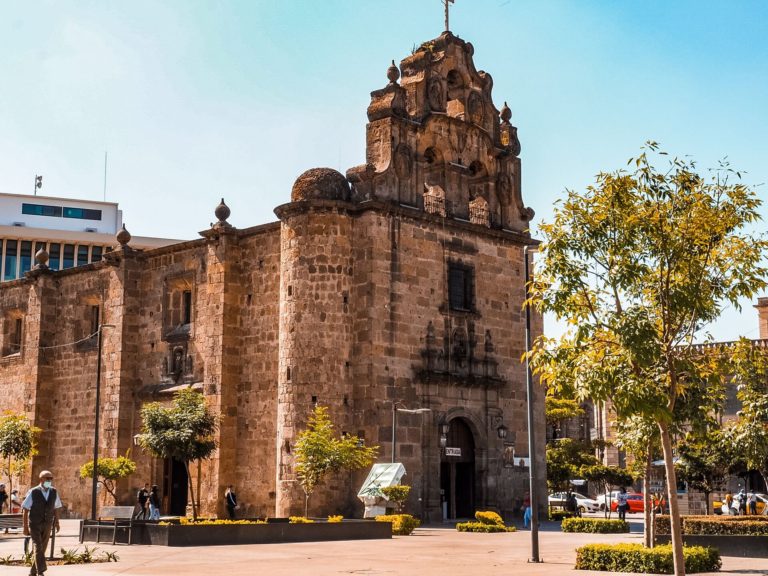
Main squares are always surrounded by important landmarks such as churches and other government buildings. At the southern end of Parque Francisco Canton is the stunning Church of Saint Servatius, or Iglesia de San Servacio.
The original church was built in 1545, but was demolished and rebuilt in the early 1700’s following several violent events. It was built with parts of ancient Maya temples and other buildings which were destroyed during the Spanish invasion. You can also visit inside and explore its beautiful interior.
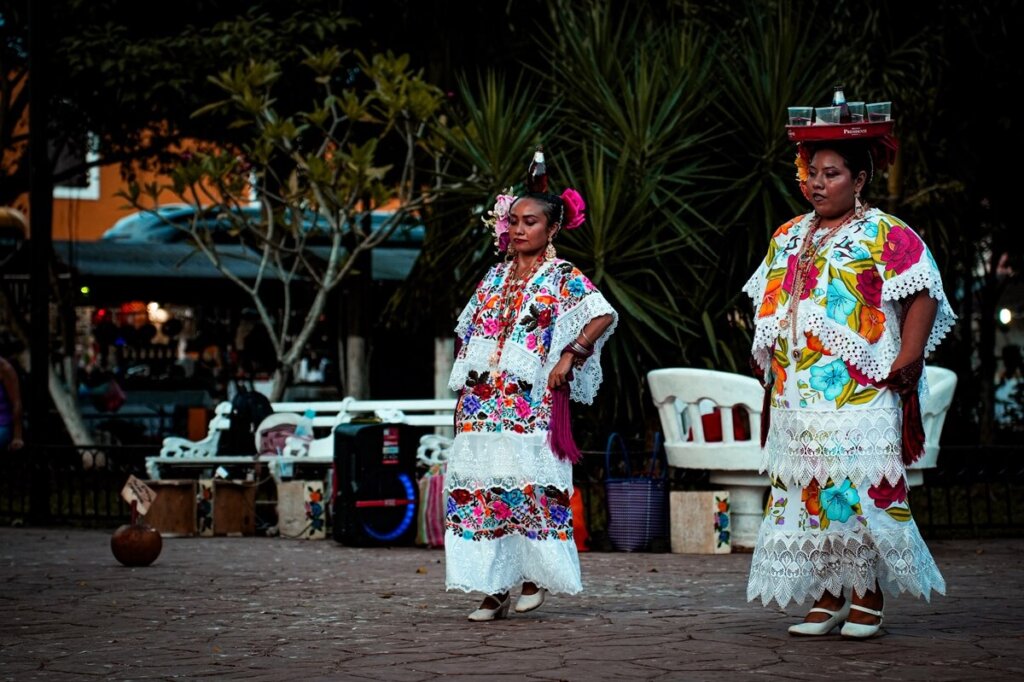
7. Watch a Jarana Dance in the Evening at Parque Principal
Every evening at around 5 – 5:30PM you can watch a Jarana Dance show in Parque Principal. Dancers dress in traditional outfits and perform some traditional choreography. As someone who did folkdance for about 14 years, I always enjoy seeing the garments and dance moves of other cultures.
Yes, it might feel a little touristy and staged, but it seemed like locals enjoyed the music with some marquesitas (a local sweet snack) just as much as us tourists did. You don’t need to pay to watch the show, although tips are highly encouraged.

8. Take a Day Trip to Chichen Itza
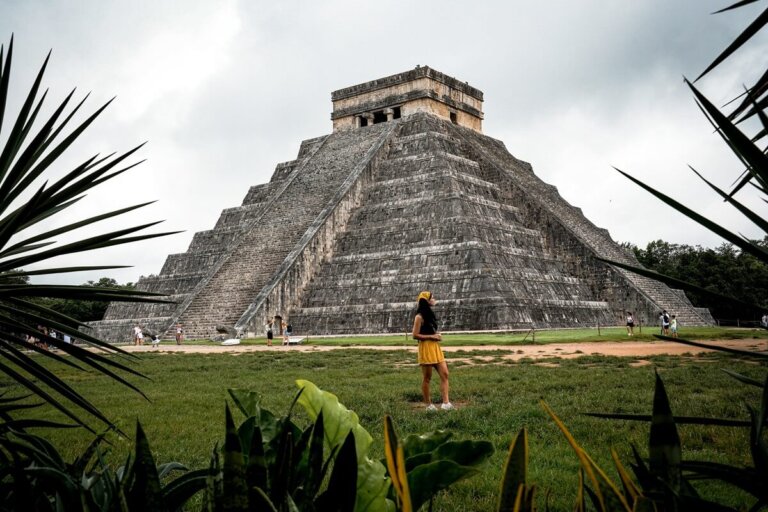
Visiting Chichen Itza, one of the ‘New Seven Wonders of the World’, is probably the main reason you’d want to spend a few nights in Valladolid. It is the largest Maya city, and also the most visited ruin in Mexico.
From Valladolid you have multiple options to reach the ruins including local colectivos, buses, a hire car or organised tour. We went into way more detail about each option to reach Chichen Itza from Valladolid, including the pros and cons of each, in a separate blog post. The article also discusses many useful tips for your visit, such as why you have to pay two separate entry fees, what to bring and what not to bring, extra fees you may have to pay and attractions you shouldn’t miss whilst inside Chichen Itza.
Chichen Itza was only our third New Wonder of the World after the Colosseum in Italy and Machu Picchu in Peru. Whilst we enjoyed our visit to the archeological site, Machu Picchu is still easily at the top of our personal rankings.
Read Next: Best Maya Ruins in Central America
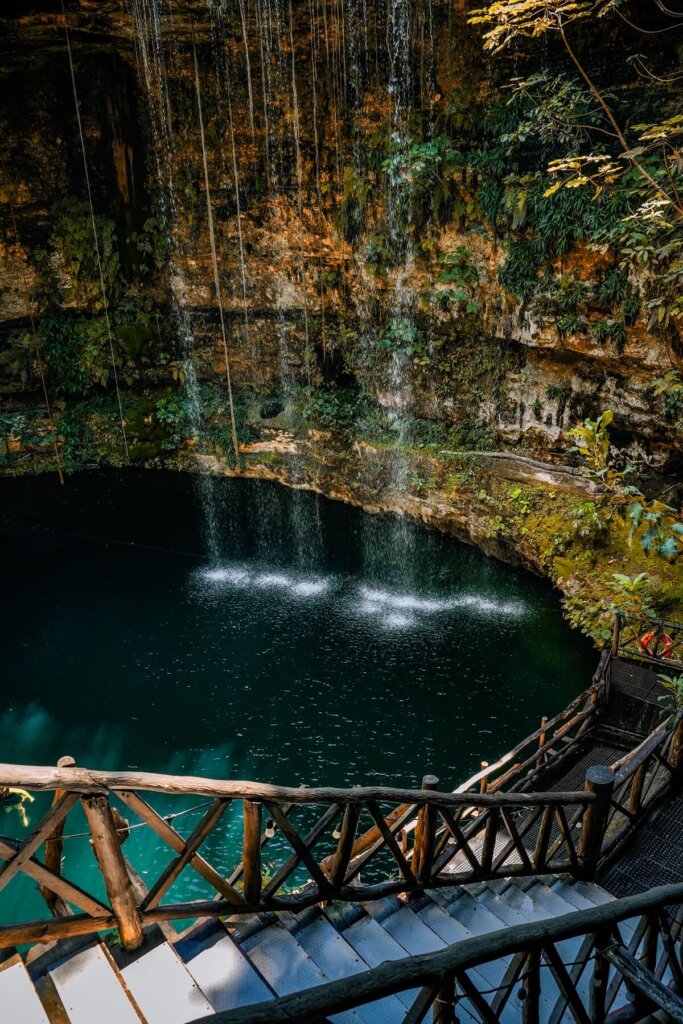
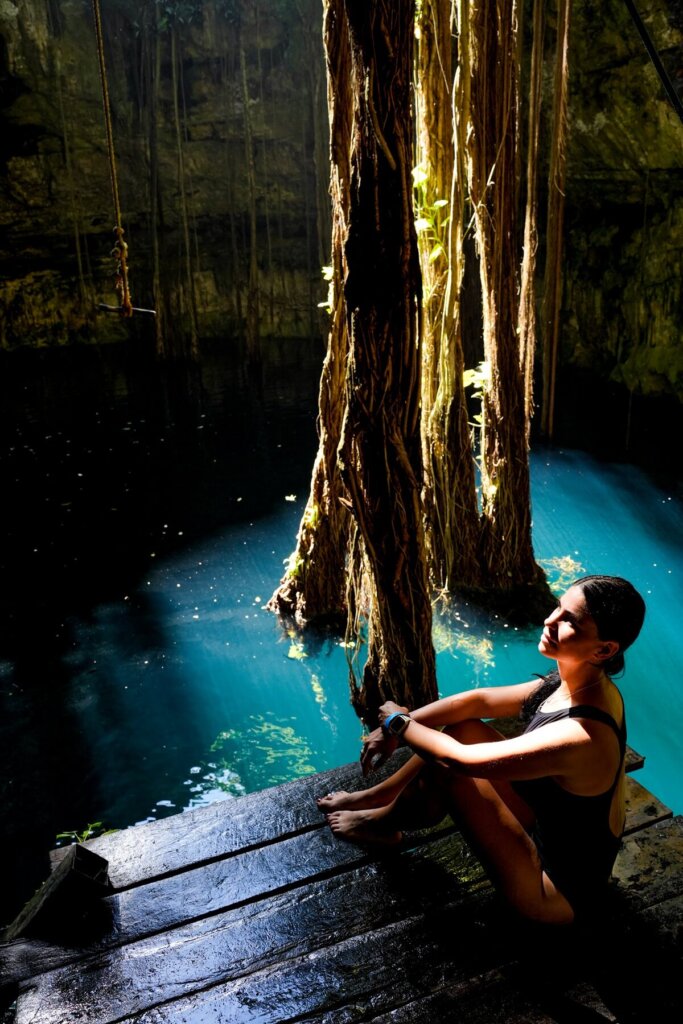
9. Hire a Bike and Visit Nearby Cenotes
There are many stunning cenotes dotted around Valladolid. Many of them are only a short bike ride away from the city. Our favourite activity was to hire bikes on one of the days and cycle to a few of these cenotes. In one day we visited Cenote Oxman, Cenote Saamal, Cenote Xkeken and Cenote Samula.
Cycling gave us a lot of freedom, as we could get to the above cenotes easily and could spend as long as we wanted there. Hiring bikes was also more affordable and definitely more environmentally friendly than hiring a car.
We rented our bikes from VALLARENT Scooters, Cars, Bikes and Tours in Valladolid (their old name was Ko’ox Balak’), as they had many good reviews online. They also have scooters and cars too, in case you want to venture further out.
If you don’t want to cycle, then this day tour visits Cenotes Nool Ha, Suytun and Chukum.
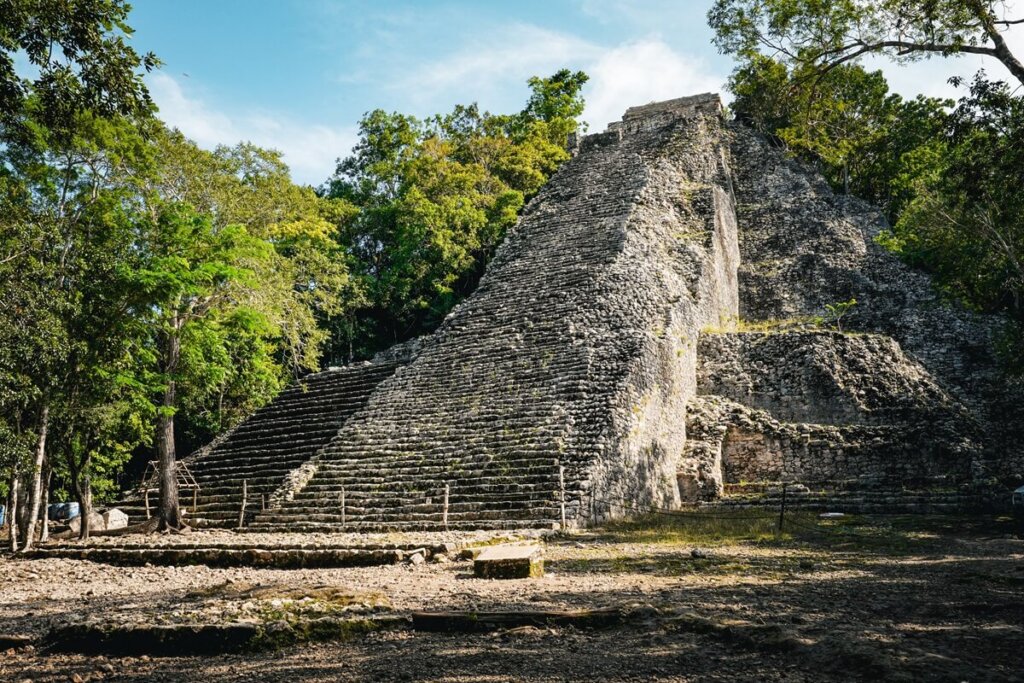
10. Take a Day Trip to Coba Ruins & Cenotes
Chichen Itza isn’t the only Maya ruin you can visit from Valladolid. If you fancy wandering through another ancient Maya city with way less crowds, then consider a day trip to Coba Ruins. The archeological site is located about halfway between Tulum and Valladolid, and is surrounded by two lagoons, Laguna Coba and Laguna Macanxoc.
Although much of the site has yet to be uncovered, many of the major structures have been excavated and are open to the public. This includes one of the tallest pyramids on the Yucatan Peninsula called Ixmoja, found within the Nohuch Mul group of buildings. Coba is also home to one of the largest networks of stone causeways (Scabe) in the Maya world.
There are also a few beautiful, completely enclosed underground cenotes near Coba Ruins that you can cool down in: Multum-ha, Tamcach-ha and Choo-ha.
We wrote a dedicated Coba Ruins guide where we summarised all the essential information you should know prior to your visit. It includes all the different ways you can reach the site and get around it, as well as information about entry fees, opening times and when the best time of year to visit is.

How to Get to Valladolid in Mexico
There are multiple ways you can get to Valladolid, depending on your budget and where you’re coming from.
By Plane. If you’re just arriving to Mexico, then you’ll most likely fly to Cancun International Airport (CUN). You can check out all the places you can fly direct to from here. From the airport, you can hire a car or take an ADO bus direct to Valladolid.
By Bus. Our favourite method of getting around Mexico is by bus. Buses are affordable, comfortable, and you can get to most places by using them. The ADO bus company operates in the southern states of Mexico, so if you’re here to travel around the Yucatan Peninsula, ADO will be your go-to company. You can travel to Valladolid from popular places like Cancun, Tulum, Merida and more.
By Hire Car. If you’re planning a road-trip around Mexico’s Yucatan Peninsula, then hiring a car from Cancun Airport might be the best way to get to Valladolid.
Final Thoughts on Visiting Valladolid in Mexico
Although the Yucatan Peninsula is probably our least favourite area in Mexico, Valladolid itself is actually one of our favourite places. Even though it’s the closest town to Chichen Itza, it somehow doesn’t feel as touristy as Tulum or Cancun. Of course, there are plenty of visitors to Valladolid, but a lot of holidaymakers tend to base themselves in Cancun and just do day trips from there. We also preferred its small town vibe compared to Merida, which is a much bigger city.
Another win for Valladolid is that we could easily get around on foot, or with a bike when visiting some of the nearby cenotes. Chichen Itza was also very simple to get to with a colectivo, so we didn’t need to have a hire car to explore. For all of these reasons, if you have the time, definitely plan a couple of nights’ stay in Valladolid. You won’t regret it.
As always, if you used our guide to plan your visit, please help us by leaving a comment about your experience and mention anything that may have changed since our visit, so we can keep this article up-to-date.
Now, let your adventure begin,

Remember…It all starts with a Pin…

Mexico is high on my list. I especially want to see the cenotes. Seeing your pictures make me want to visit even more!
The cenotes are definitely worth visiting in Mexico. Hope you can book a trip there soon.
I’m heading to Mexico for the first time next spring. Valladolid appears to be a fantastic addition to the itinerary I’m building. I can see why it is your favorite—it looks perfect for day trips and culture.
We love Mexico, and Valladolid was definitely our favourite stop on the Yucatan Peninsula. Hope you’ll enjoy your trip too.