
eSIM or Physical SIM Card – Which One is Best for Travel in 2025

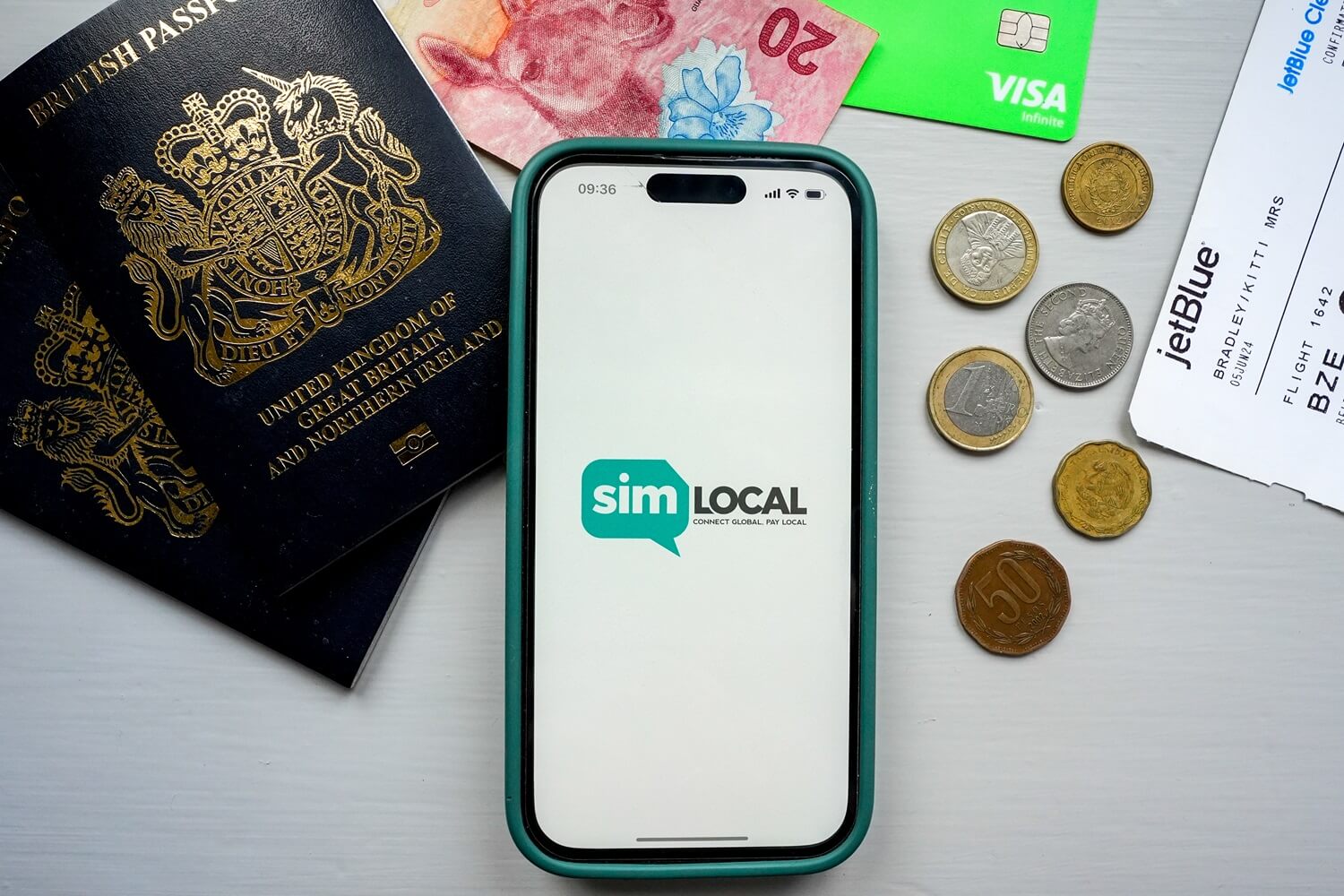
Passport, travel money, cards and other important documents. These are some of the main things on people’s minds before travelling abroad. Well, at least until you receive that “welcome to your destination” text message from your home network carrier, detailing all the extortionate roaming fees you’ll be charged with during your trip. To avoid that, you have two options: purchase an eSIM before you leave, or buy a local physical SIM card once you arrive.
But which one is better for travelling: an eSIM or a physical SIM? They both allow you to stay connected whilst abroad for a fraction of the price. Yet, they both come with their own pros and cons. We tried both during our two years of backpacking across Latin America and on shorter trips abroad. So, in this guide we’ll compare the two based on many criteria, including ease of purchase and set up process, network coverage, affordability and more. We’ve also included an honest review of using Sim Local, our preferred travel SIM and eSIM company.
Disclosure: This guide was created in collaboration with Sim Local, but the experiences and opinions expressed in this guide are entirely our own. This post may contain affiliate links, which means we may receive a small commission if you click a link and purchase something. Learn more about our affiliate policy.

eSIM vs. Physical SIM Card – What is the Difference?
A physical SIM card is a chip that you have to manually insert into your phone to use a carrier’s mobile network. Many phones nowadays are even designed with two SIM card slots, allowing you to use more than one. This comes in especially handy when you want to use a physical SIM card abroad.
Short for ’embedded SIM’, an eSIM is the virtual or digital version of a physical card. This means that the SIM chip is embedded into the phone, so you don’t need to insert or swap it out like with a traditional SIM. In fact, many modern smartphones (especially USA models) now only come with an eSIM option and don’t have any physical SIM slots.
However, most smartphones are still compatible with both an eSIM and a physical SIM. So, which one is best to use when you go abroad: an eSIM or a physical SIM?
eSIM or physical SIM: which is better for international trips? Overall, eSIMs are better for most travellers because they are more convenient to purchase, install and top-up than traditional SIM cards. Plus, choosing an eSIM company like Sim Local who offer eSIM plans with calls and texts could completely eliminate the need to buy a physical SIM.
eSIM or Physical SIM – Which is Better for Travelling?
We appreciate that everyone’s needs are different, especially when it comes to going abroad. So, in this section we’ll break down the pros and cons of the eSIM vs. physical SIM dilemma, including our own personal experiences using both in the past.
Local Phone Number When Using an eSIM or Physical SIM
Having a local phone number can come in handy if you need to make a local call, or book or purchase something that requires a local number to be added. Buying a physical SIM will automatically get you a local phone number. However, if you want an eSIM with a local number, then you need to make sure you pick the right company. Many only offer data only plans, which means you won’t be able to send regular text messages or make calls within your destination.
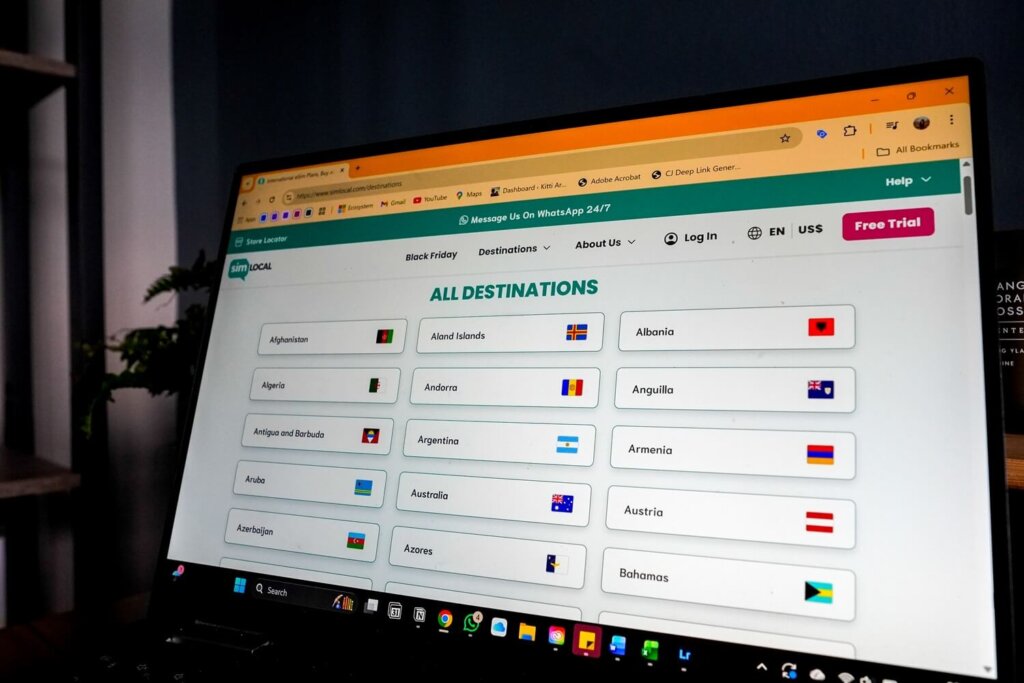
Why we recommend Sim Local. Luckily, Sim Local offer eSIM plans with calls and texts for many destinations, such as the UK, Europe, USA, Canada, Mexico, France, and through their Global eSIM that covers 153+ destinations.
Do you really need a local number? Nowadays, you only really need a local phone number if you’re staying in a foreign country for a longer period because of work, school or other commitments. We noticed that many companies in the countries we visited now use WhatsApp to communicate when booking tours or day trips. Therefore, you’ll likely only need data, especially on shorter trips. However, sometimes we couldn’t use local booking websites because of our lack of a local number, such as when trying to book some long-haul buses in Argentina.
Network Coverage for eSIM and Physical SIM
An important thing to consider before purchasing either an eSIM or a physical SIM is network coverage. You may have to do some internet research to find out the major network providers in the country you’re visiting. A physical SIM’s signal and data coverage will usually be better than an eSIM’s because many eSIM providers don’t use the fast local networks. We learnt that the hard way when trialing different eSIMs.
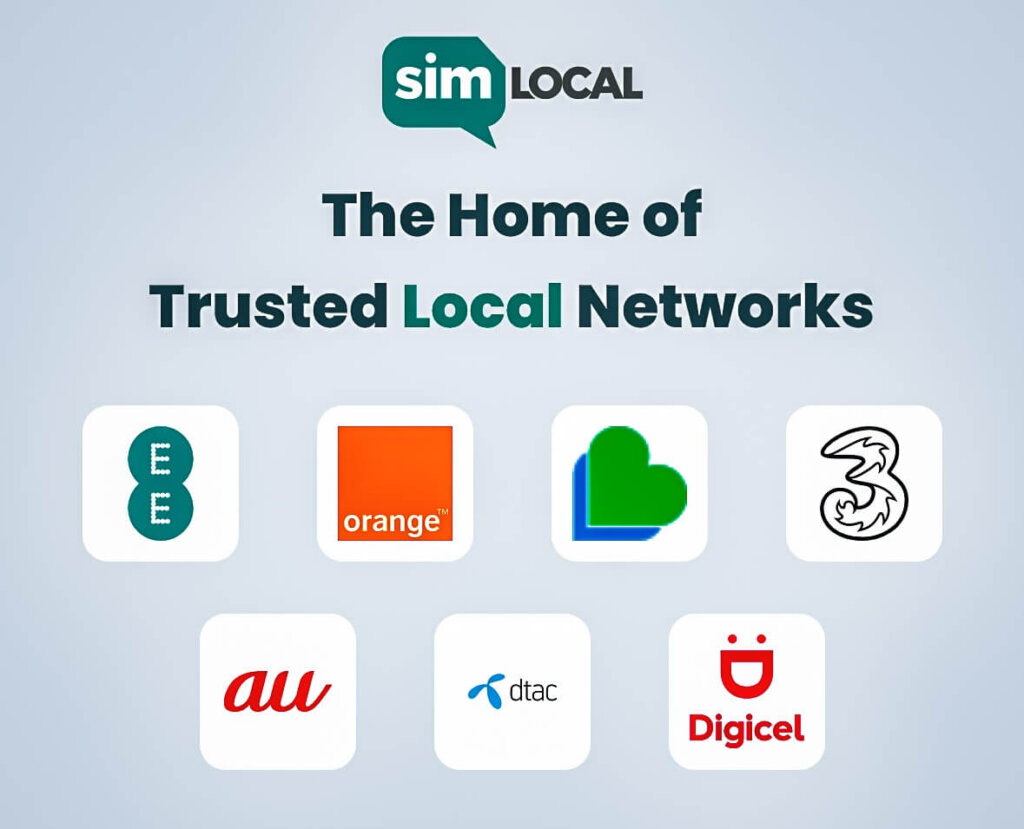
Why Sim Local is different to other providers? Network coverage is actually one of the many reasons we love Sim Local, which connects you to a trusted local network for faster coverage, such as Orange, EE, Three and AU Japan to name a few. You’ll get a local experience and also allows Sim Local to offer 31-day plans and top-ups.
Our Tips. There are usually multiple mobile network providers in a country, so if you’re spending longer there we suggest picking a physical Sim carrier that’s available in most of the areas you’ll be visiting. Many eSIM providers offer regional or even global data plans. These may be cheaper if you’re visiting multiple countries in a short space of time. However, in our experience you usually get better coverage if you buy an eSIM for a dedicated country.
Phone Compatibility with eSIM and Physical SIM
Things are changing rapidly and most modern smartphones are still compatible with eSIMs. In fact, some of the latest smartphones (especially USA models) are now eSIM only. However, most devices will have both: SIM card slots and eSIM options. That being said, there are still many phones out there which aren’t compatible with eSIMs. This means that if you’re using an older model, you’ll still be able to purchase a physical SIM but not necessarily an eSIM.
To avoid disappointment, most eSIM providers, such as Sim Local, will have a dedicated page where you can check if your phone is compatible with eSIMs.
Swapping a physical SIM between devices is much easier. Often you can only use a travel eSIM on the device you installed it on. (Or it’s more hassle than it’s worth to transfer it to another device).
Locked or Unlocked Smartphone
A very important question that can quickly decide your eSIM vs. physical SIM dilemma is whether your device is locked or unlocked. A phone is usually locked if you bought a smartphone and mobile network plan together, and are therefore tied into a contract. Until that contract ends you may not be able to use another SIM card, aka another carrier. If you’re unsure, just check in your settings or by putting a different SIM card – from a different network provider – into your phone.
Our locked phones were an issue the first time we backpacked through Mexico. eSIMs weren’t as popular back then, but luckily we had an old unlocked phone that we could use. However, this meant carrying an extra device around and keeping it charged. Due to the nature of our jobs, we already carry a lot of camera gear on us, so it was just an extra piece of tech to put through airport security and keep safe when we were out and about.
Overall, if you have an unlocked phone that’s also compatible with eSIMs, you can use either on your next trip. If your phone is locked but compatible with eSIMs, just use that as it won’t impact your existing contract with your home carrier. No need to carry an extra device.


Purchasing an eSIM vs. Physical SIM – Level of Convenience
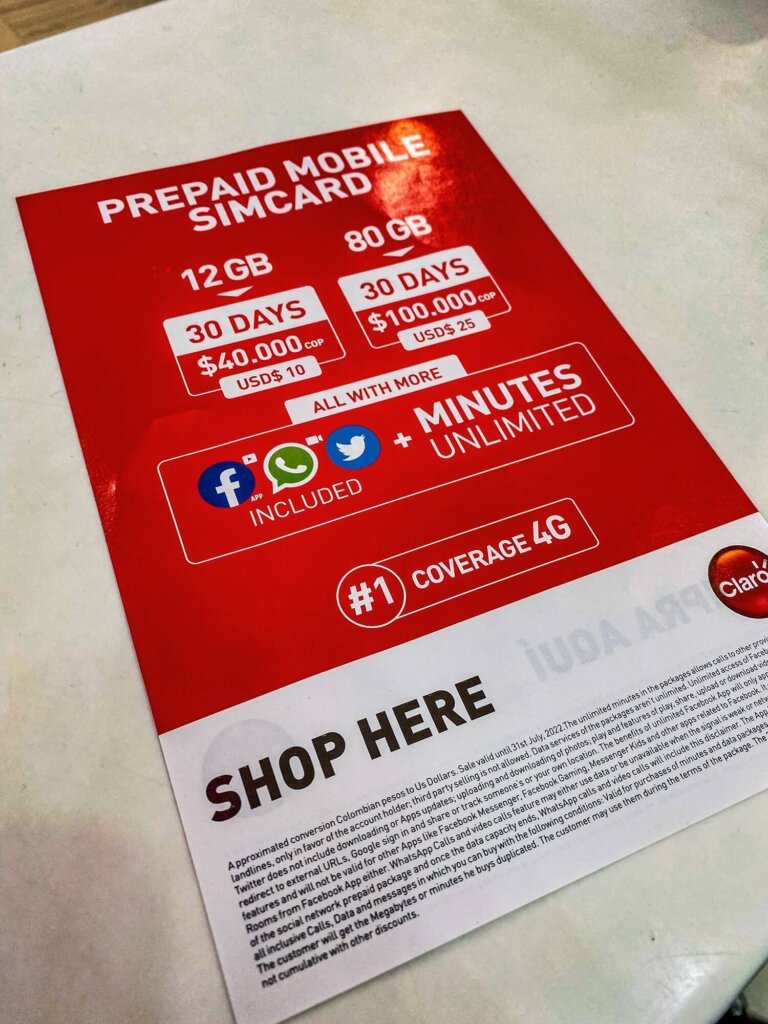
Whilst you can now order physical SIM cards online, in most cases you’ll need to buy one in person when you land at your destination. There’s often a SIM card counter at the airport offering a tourist package. However, these will be offered at an inflated price. Sometimes you can only pay in cash too. So, you have to have local currency when you land or get a rubbish deal from the currency exchange office, and then you’ll still get a bad offer from the SIM card counter.
If you land at unsociable hours these counters may be closed, forcing you to rely on dodgy airport internet or no WI-FI at all to navigate to your accommodation. This happened to us a few times before eSIMs were a thing.
When purchasing a physical SIM isn’t possible at the airport, you’ll need to get one from the mobile network provider’s main office. Often, instead of heading out to see the attractions, our first trip in a new country was to get a physical SIM card. How exciting! Especially when they’re closed on weekends or we had to queue for half a day like we did in Lima, Peru. We also had to carry our passports and communicate in the local language because obviously not everyone speaks English.
Thankfully, this isn’t an issue when using an eSIM. All you have to do is download the company’s dedicated app, purchase a plan and install it. This requires internet access though, so we suggest doing all this before your trip to avoid relying on airport WI-FI. Then all you have to do is activate your eSIM when you touch down / enter your destination. Walking straight out of the airport having access to data, without franticly trying to find a place that sells SIM cards, is way more convenient.
What Happens to Your Own SIM Card
Buying a physical SIM requires you to swap yours out with the newly purchased one, unless your smartphone has two slots available for SIM cards. This swap is often done by the person who activates your physical SIM. However, this means that you won’t get your regular text messages and you may also need to update your WhatsApp number if you want to use the foreign one.
Swapping the chip regularly requires you to have the little needle tool that comes with newly purchased phones. It’s another thing to add to your packing list. Plus, you also have to make sure that you keep your original SIM card in a safe place to avoid losing or damaging it.
Why eSIM is better for international travel? With an eSIM you can keep your original SIM card in the device whilst simultaneously using the eSIM on your trip. Most importantly, your home mobile number will still work for receiving SMS and authentication messages.
eSIM vs. Physical SIM – Top up / Additional Data
When we purchased a physical SIM card, we needed to renew it every 30 days. This probably isn’t an issue for those on a shorter trip. However, if you’re a digital nomad or a slow traveller, then every month you need to go into a store to top up your data. It’s generally simple and in Latin America we could do it at just about every corner shop once we had the actual SIM card.
Apart from it being an extra thing to keep in mind, a couple of times our 30 days came to an end when we were out hiking or in a smaller town. Sometimes we still had about 2 weeks left of the plan but we were already in a different country needing a new local SIM card. So, we ended up paying double for no reason on a few occasions.
Sim Local offer tailored packages so you only pay for what you need. Their “Find My Plan” tool is great for finding the best option for your trip based on your destination and travel duration. Plus, when you run out of data you can just purchase more through either the website or the app without having to do it in person. Sim Local’s app also lets us track our data usage, so we always know how much we have left.
Affordability of eSIM vs Physical SIM for International Travel
When it comes to cost, you can probably still get a physical SIM card cheaper than an eSIM. However, it also depends on where you buy it from. We noticed that the tourist package price usually cost more, especially at the airport. If you have to go somewhere to get one, that could be an extra taxi / Uber fee, as well as general time and effort that could be used exploring.
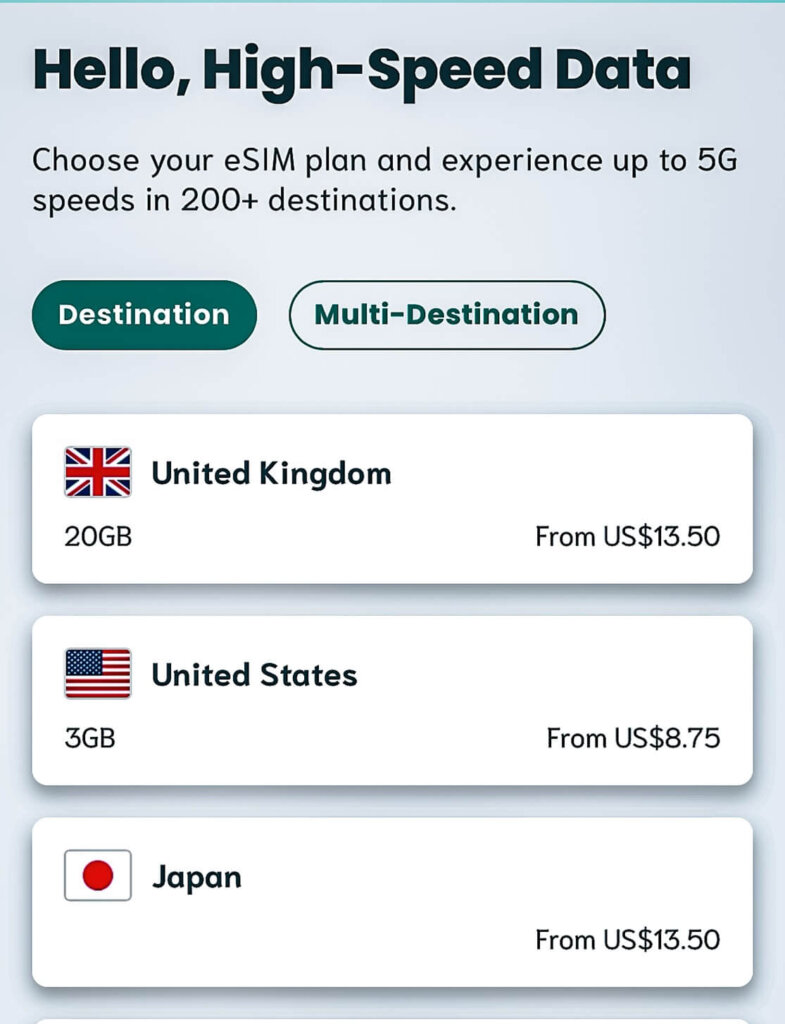
The cost of an eSIM will really depend on the data package and country you want to buy for. Expect to pay more for unlimited or higher amounts of data, and less for a smaller data package.
Sim Local eSIM pricing. After trying out different providers, we’ve found that Sim Local often offers the most cost-effective eSIM options for international travel. For example, a 20GB plan for the USA costs only $34 USD for 30-days. If you’re backpacking Europe, a 50GB plan that also includes calls and texts for 31-days, costs $46.75 USD. That works out at less then $1USD per 1GB of data!
Marketing Calls and Text Messages
Whilst having a local phone number can be useful when abroad, depending on the country you could end up receiving several cold calls and text messages a day. At least, this happened to us a lot during our first 3 months in Mexico. This was incredibly annoying and also drained our old phone battery quickly. Since switching to an eSIM, we’ve never had this issue.
Environmental Impact of eSIM vs Physical SIM
What do you do with a SIM card that you purchased on holiday? I bet you don’t keep it as a souvenir. So, you’ll most likely just bin it. Millions of these tiny plastic SIM cards, including all the packaging, end up in landfill every year, making physical SIMs less environmentally friendly than eSIMs.
Using an eSIM won’t require you to buy something physical, so you won’t generate unnecessary waste and add to the ongoing environmental issues.

Reasons We Recommend Sim Local eSIMs for International Travel
There are so many eSIM providers out there today that we appreciate it can be confusing to know which one to choose. Since eSIMs appeared and became our go-to travel essential, we’ve tried many different companies. They more or less offer the same thing, with the main differences being the amount of data provided and the price. However, Sim Local stood out of the crowd for many reasons:
Sim Local’s network coverage. Unlike other companies, Sim Local connects us to the same, fast networks that locals use in the country we’re visiting, such as super fast 5G speeds with EE in the UK and AU Japan in Japan. Therefore, we get great network coverage but without all the hassle of buying a physical SIM card.
Sim Local isn’t a data-only eSIM company. For many popular countries, Sim Local also offers a calls, texts and data plan. This means that we can make regular local phone calls if needed and avoid the crazy charges. Plus, they also have a physical presence in over 100 airports worldwide, including stores in London, Madrid and Athens, in case you want some help with installations or are in need of an actual SIM card.
It’s easy to set up your eSIM. Downloading and installing Sim Local eSIMs wasn’t complicated. Just download the app from either the App Store or Google Play. Then follow the easy steps in the app to buy the plan you need. Our eSIM worked instantly once activated and connected quickly to the local network. In the app, we can also keep an eye on our data usage.
They offer a great amount of data at a low price point. To us, the amount of data an eSIM company offers is important. With Sim Local, we could get plenty of data, including some of the best unlimited options on the market. Sometimes we paid less than $1USD per 1GB of data. With their unlimited plans we could use up to 10GB of high-speed data per day. This allowed us to use our phones as hotspots and work on our laptops when the hotel or café internet was spotty. However, they also have smaller data plans that may be more suitable for your needs.
Free eSIM trial. Sim Local offers a 500MB free trial for new users. This is great if you want to test out an eSIM after landing and then just top it up if it works for you.
They have a 100% refund policy and fantastic customer service. We could always purchase our Sim Local eSIM with confidence, knowing that they have our back with some of the best customer service on the market. This includes a 100% refund policy if you’re not happy with the product.
If you’d like to try out a Sim Local eSIM on your next trip, then use our discount code KITTIANDJON to save some pennies on your plan.
eSIM or Physical SIM for International Travel- Final Thoughts
Overall, we’re so happy that eSIMs exist because they do make our lives when travelling way more convenient. We can pick a plan from the comfort of our own home, so there’s no need to decide on the spot with a sales person trying to upsell you. Whilst we’re waiting for the plane to taxi, instead of jumping up, we just activate our eSIM and don’t have to worry about finding somewhere to buy a SIM card. We can immediately track our taxi rides from the airport and feel at ease in a new country even if we arrive during unsociable hours. Being able to get unlimited data came in handy when we had no, or very slow, WI-FI access.
Do you use eSIMs or a physical SIM when travelling abroad? Which one do you prefer if you’ve tried both in the past? If not, would you consider using an eSIM on your next adventure? Let us know in the comments below. Don’t forget to use our discount code “KITTIANDJON” to try out a Sim Local eSIM on your next trip.
Now, let your adventure begin,

Remember…It all starts with a Pin…






This is SO helpful! I never can figure out which would work best for me on what trips and this really lays it all out. I think I’ll look deeper into SimLocal next time.
Thank you so much for the lovely feedback.
eSIMs have been such a lifesaver for me on overseas trips, always good to weigh up what’s best between the two though – super helpful!
Thank you so much. Yes, eSIMs have been a gamechanger for us too.
Great information! Love the comparison and you made it very easy to decide and follow along.
Thank you so much!
Great article! Unfortunately my phone doesn’t support E-Sims but I’ve always been curious about the difference between the two options so thanks for such a detailed post
Thank you so much. Yes, there are still phones that don’t support eSIMs in which case a physical SIM will be perfect.
This is super helpful – most of the time, I personally go with an esim, but sometimes, the physical sims are really the only way to do it!
I agree, we use eSIMs now too for the majority of our trips.
Great breakdown! I use eSIMs on most of my trips now, and they’ve been such a game changer. Your post explains the pros and cons so clearly. The setup is easy, the coverage is good, and I love not having to swap tiny cards anymore. Still, having a local SIM can be useful in some countries. Thanks for sharing your experience — super helpful!
Thank you so much! Yes, eSIMs are just so much easier now, but sometimes physical SIMs are the best option.
Back in the day (not even that long ago), before eSIMs became popular, I remember roaming around Europe (I’m from the U.S.A), hopping into bars and coffee shops just to get wifi because I didn’t have a data package at all! Wild times. haha.
Now I use an eSim when traveling. I am surprised at how much data I actually use, though. It’s a real eye-opener the first time you purchase! Definitely have to learn how to turn off apps, use airplane mode, turn your eSIM off, etc.
I have only ever used one eSIM option so thanks for sharing this one to look into next time I’m traveling.
Haha, we were exactly the same before eSIM, especially on a short trip when buying a physical SIM wouldn’t have made sense. It’s also crazy how much data our phones use, I always have to remember to turn off the icloud backup!
Great post! This was a great breakdown of both options and while I use eSims, your post made me think about the good ole days of finding a sim when I arrived somewhere!
Haha, yes those good old days, although it wasn’t even that long ago! eSIMs are definitely less hassle.
Thanks for the breakdown. If you aren’t a techy, this is handy to know!
Thank you so much!
Thanks for sharing, this is really useful to know of what to use, I have used my UK sim card abroad before so an e-sim might be an option to look at for future trips 🙂
Yes, roaming fees can be crazy high, so an eSIM works out way cheaper at the end.
Very useful, I have struggled on whether to us the e-sim or SIM card when I am travelling I see the benefits of both, but agree there is a lot to consider especially considering where you are travelling to
Yes, sometimes the destination decides for you. Luckily eSIMs are more widely available now.
Thanks for explaining this. I still prefer physical SIMs when I travel since eSIMs cost more, but this was useful to read.
Yes eSIMs are still more expensive, I guess we’re paying for the convenience 🙂
This is a thorough guide to the pros and cons of purchasing an eSIM card or physical SIM card. My iPhone 14 only permits eSIM cards.
Yes, I was surprised to learn that some phones now only permit eSIMs! I guess soon this will be the norm.